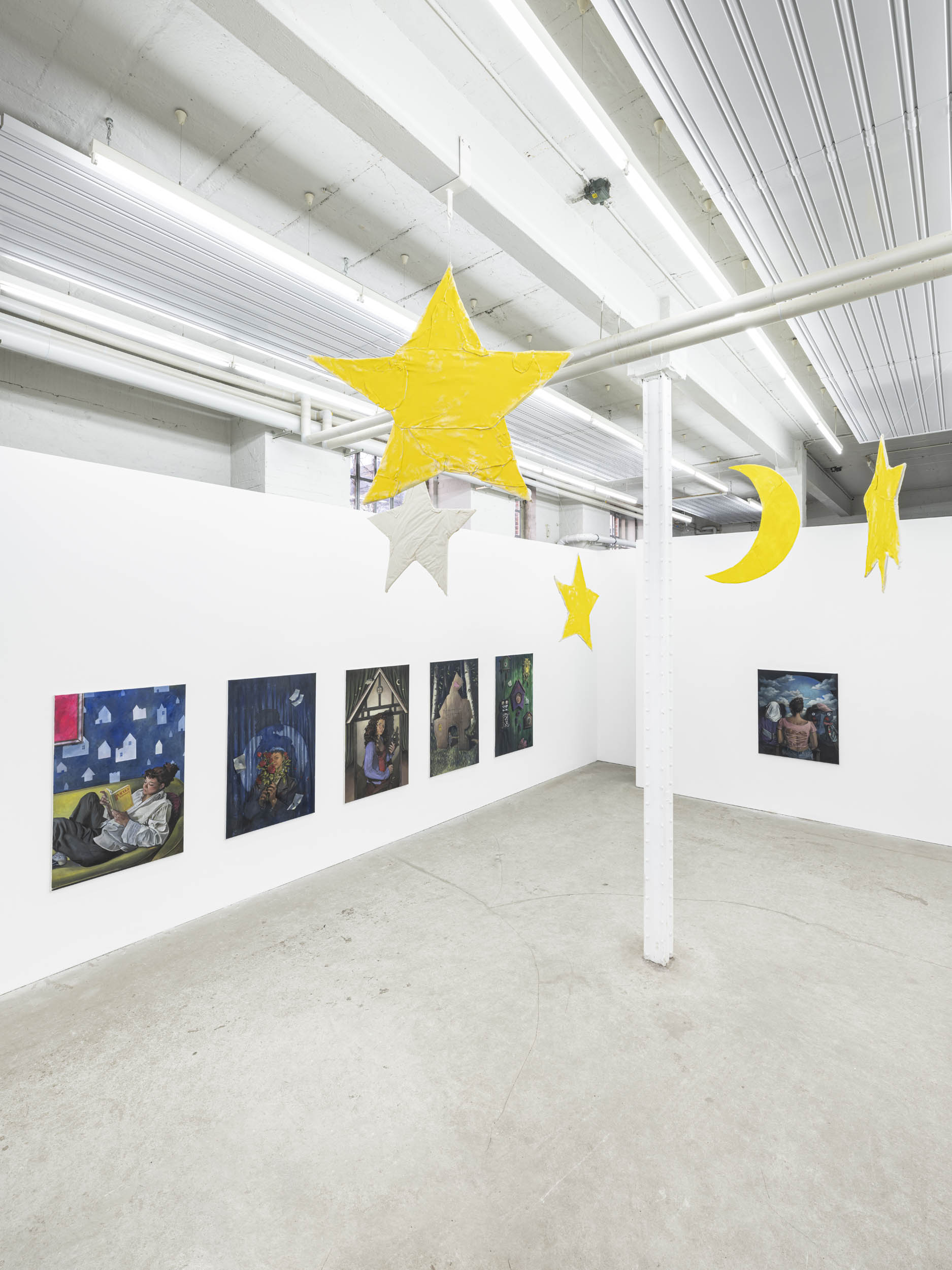
Installation view: Eliane Diur, ‘Notes to Self’, Galerie Tobias Naehring, 2026

Eliane Diur, ‘Notes to Self’, March 14 — April 18, 2026
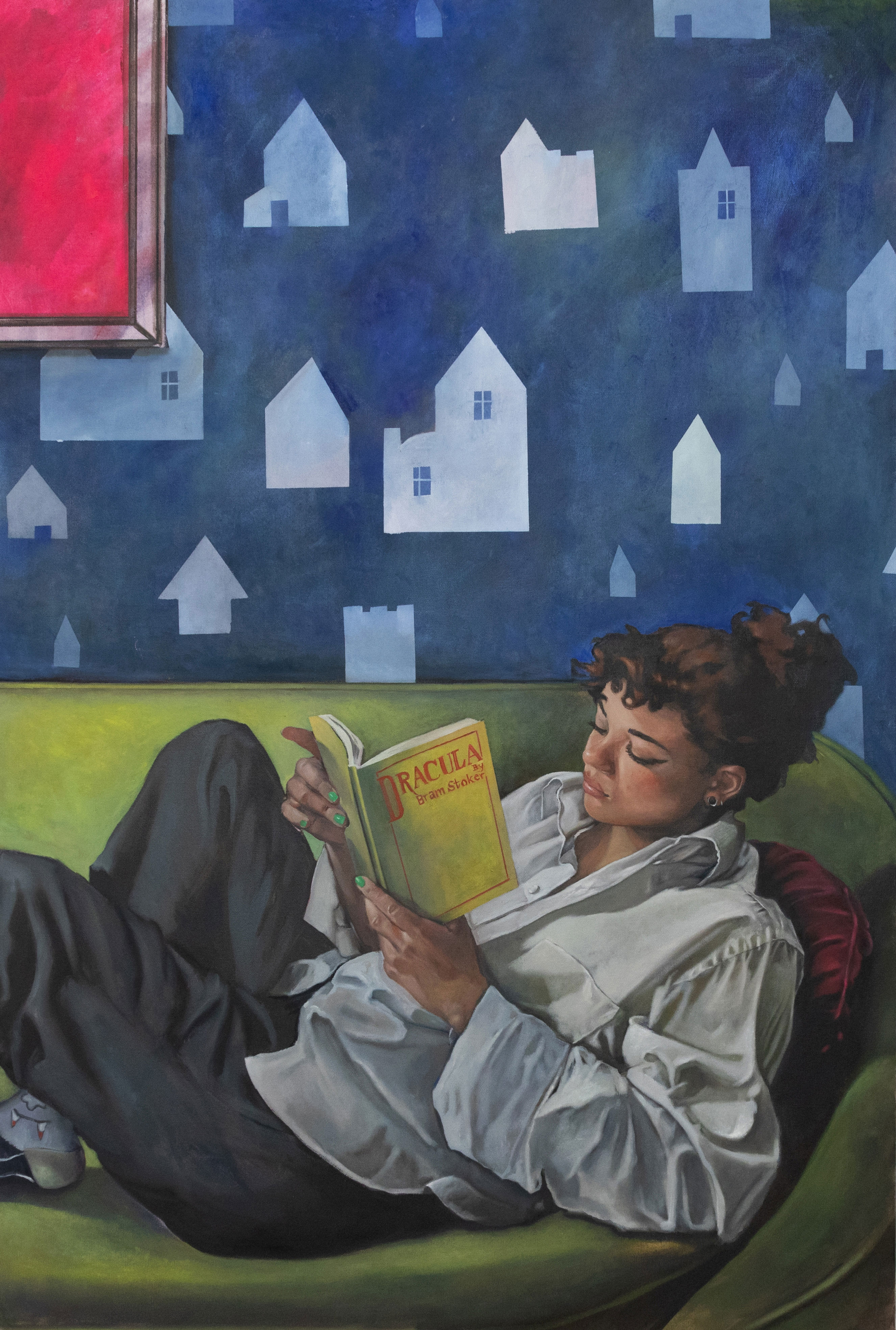
Eliane Diur, 'Quiet Company', 2025, Oil on canvas, 150 × 100 cm
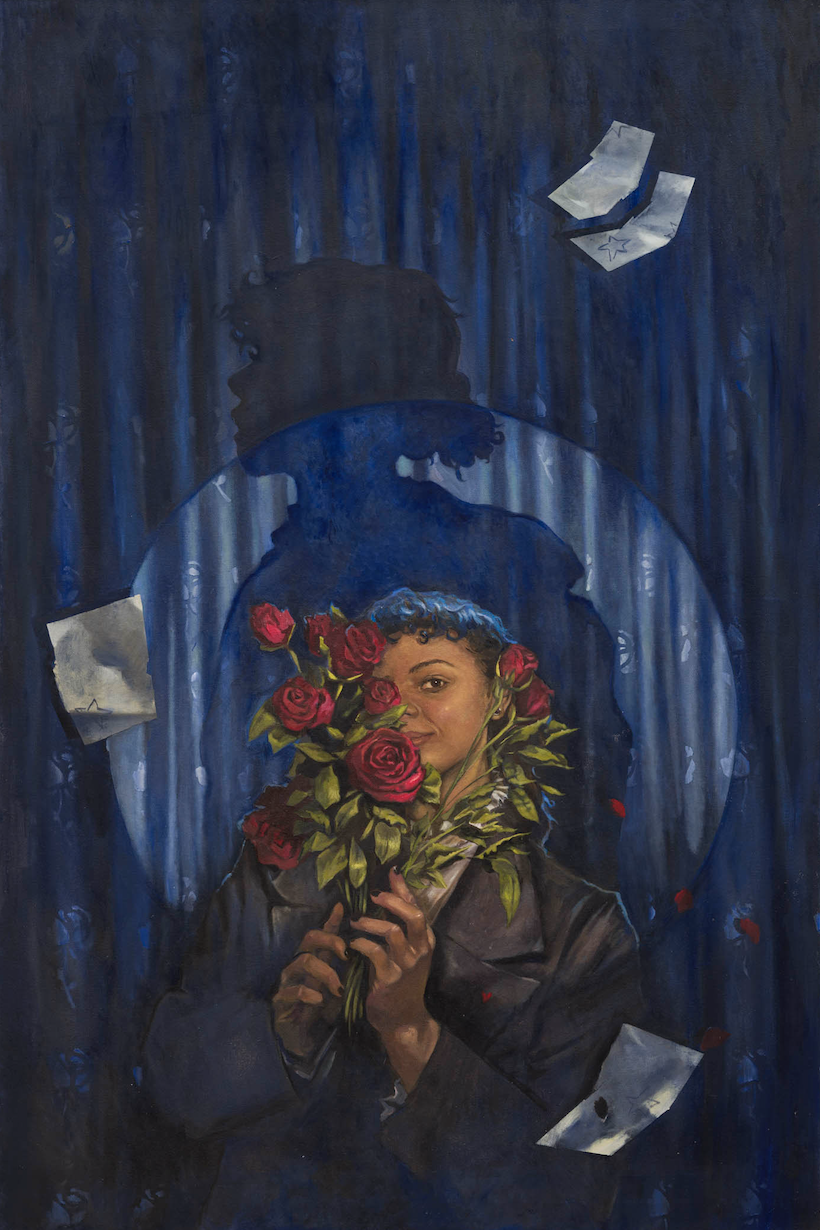
Eliane Diur, 'Desire', 2026, Oil on canvas, 150 × 100 cm
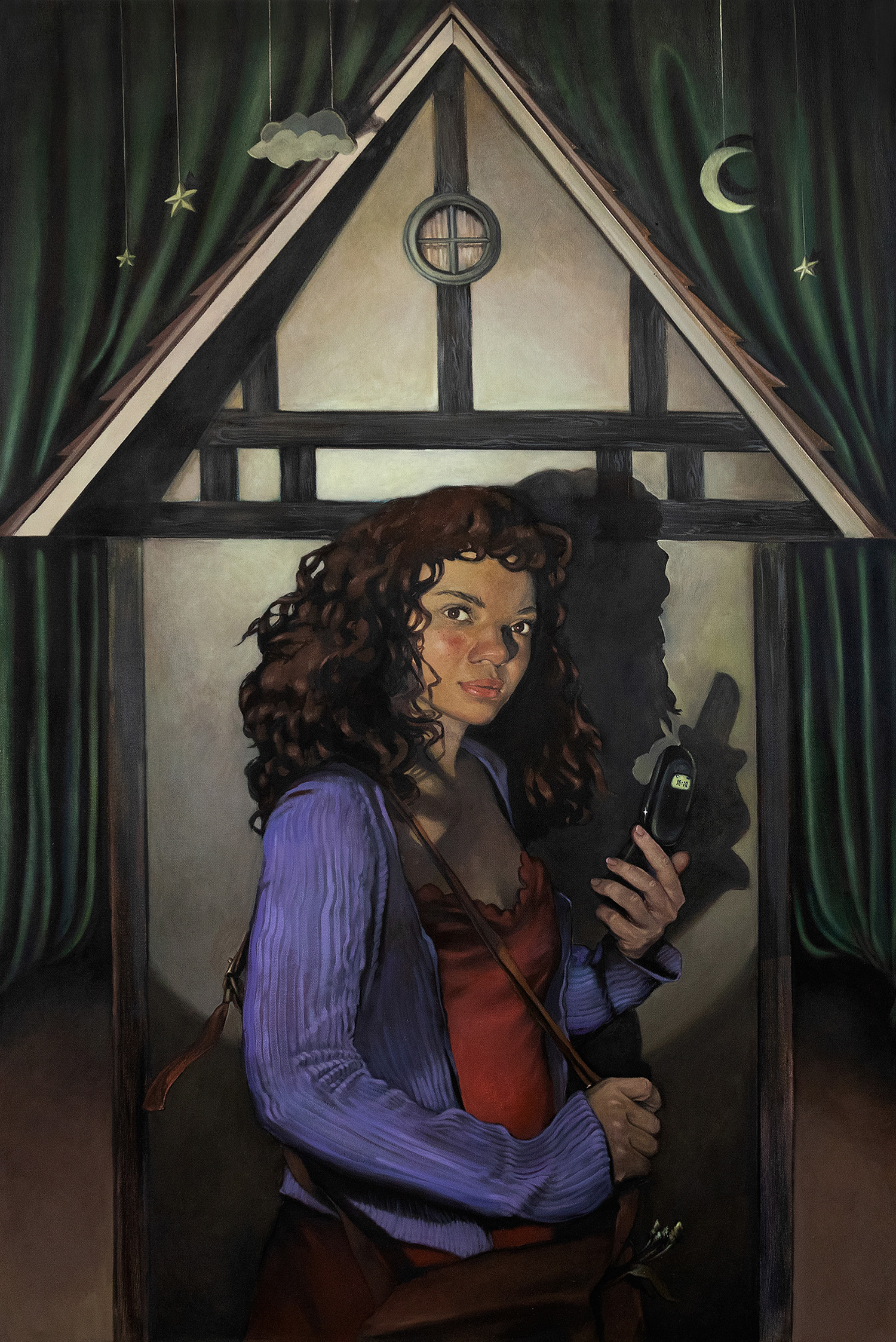
Eliane Diur, 'No Signal', 2025, Oil on canvas, 150 × 100 cm
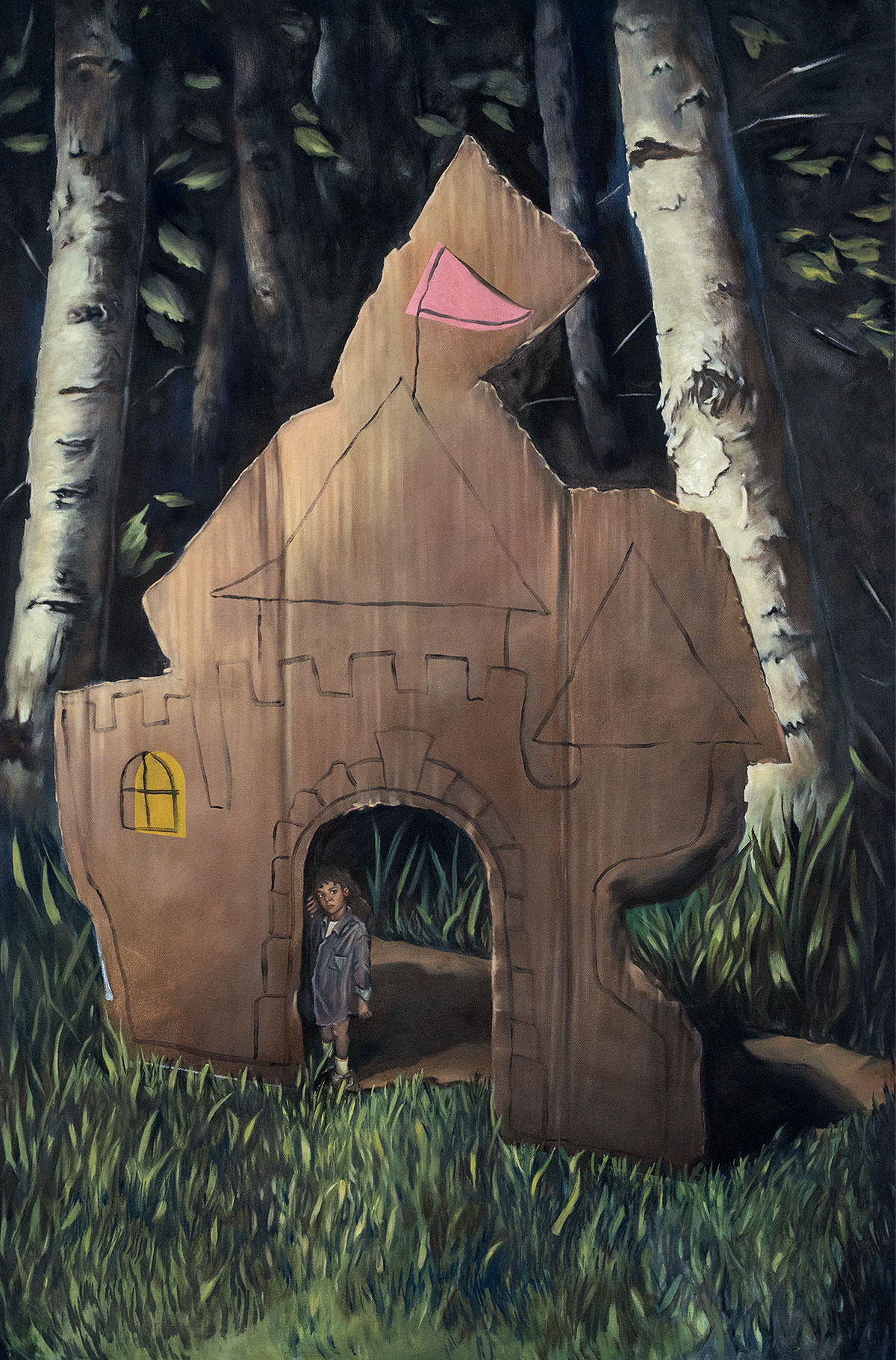
Eliane Diur, 'Festung im Wald', 2025, Oil on canvas, 150 × 100 cm
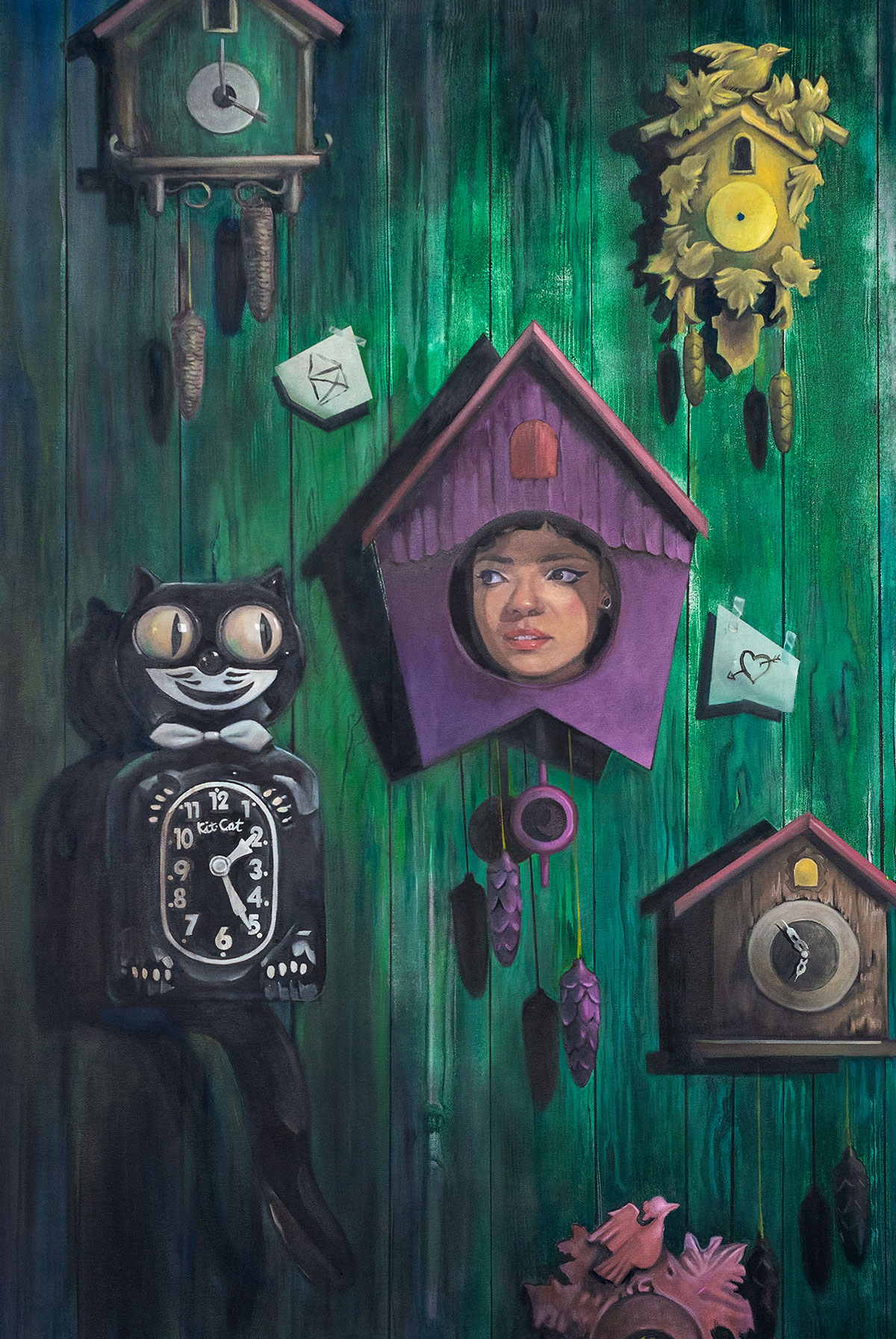
Eliane Diur, 'Kuckuck', 2025, Oil on canvas, 150 × 100 cm
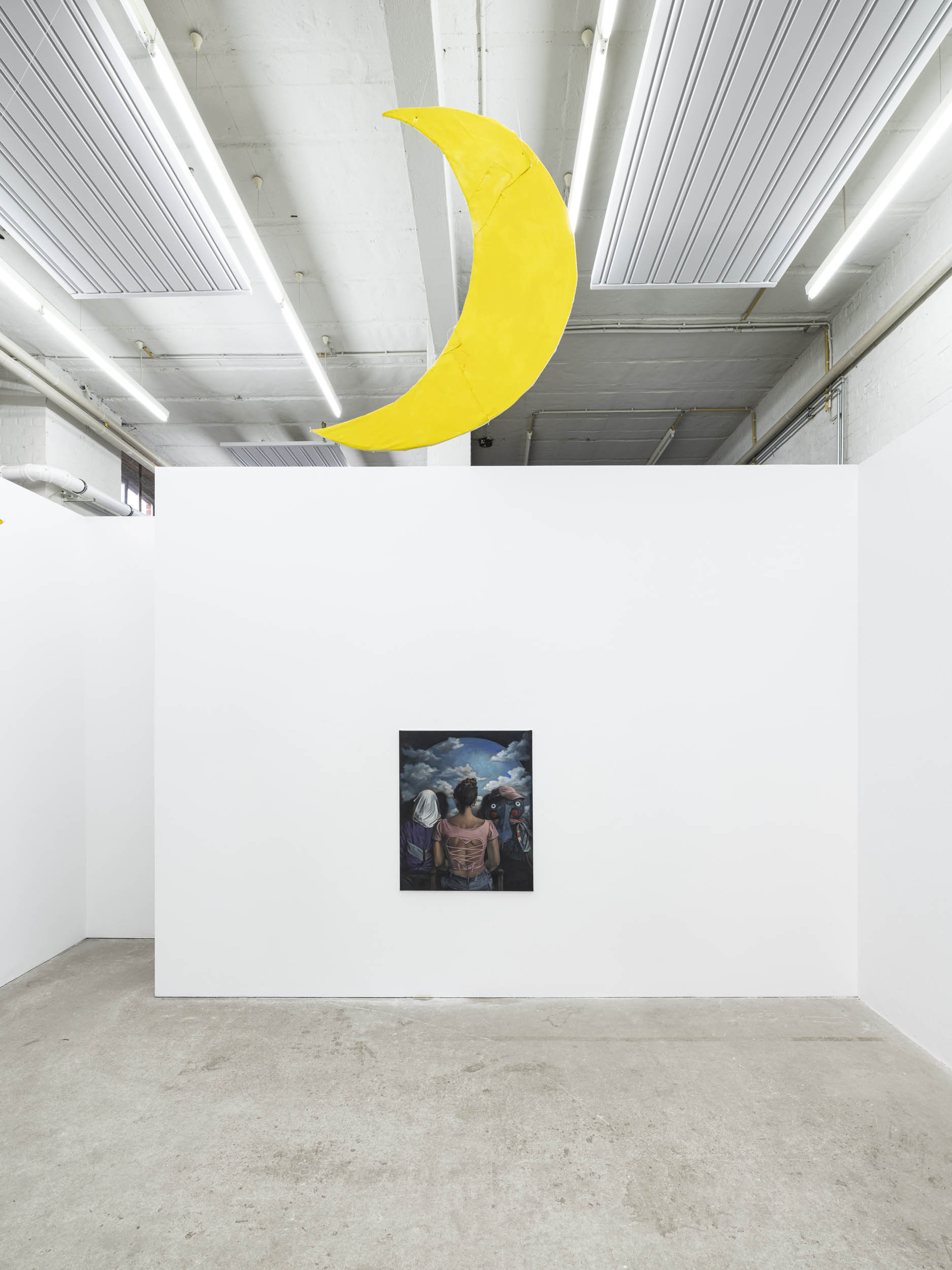
Installation view: Eliane Diur, ‘Notes to Self’, Galerie Tobias Naehring, 2026
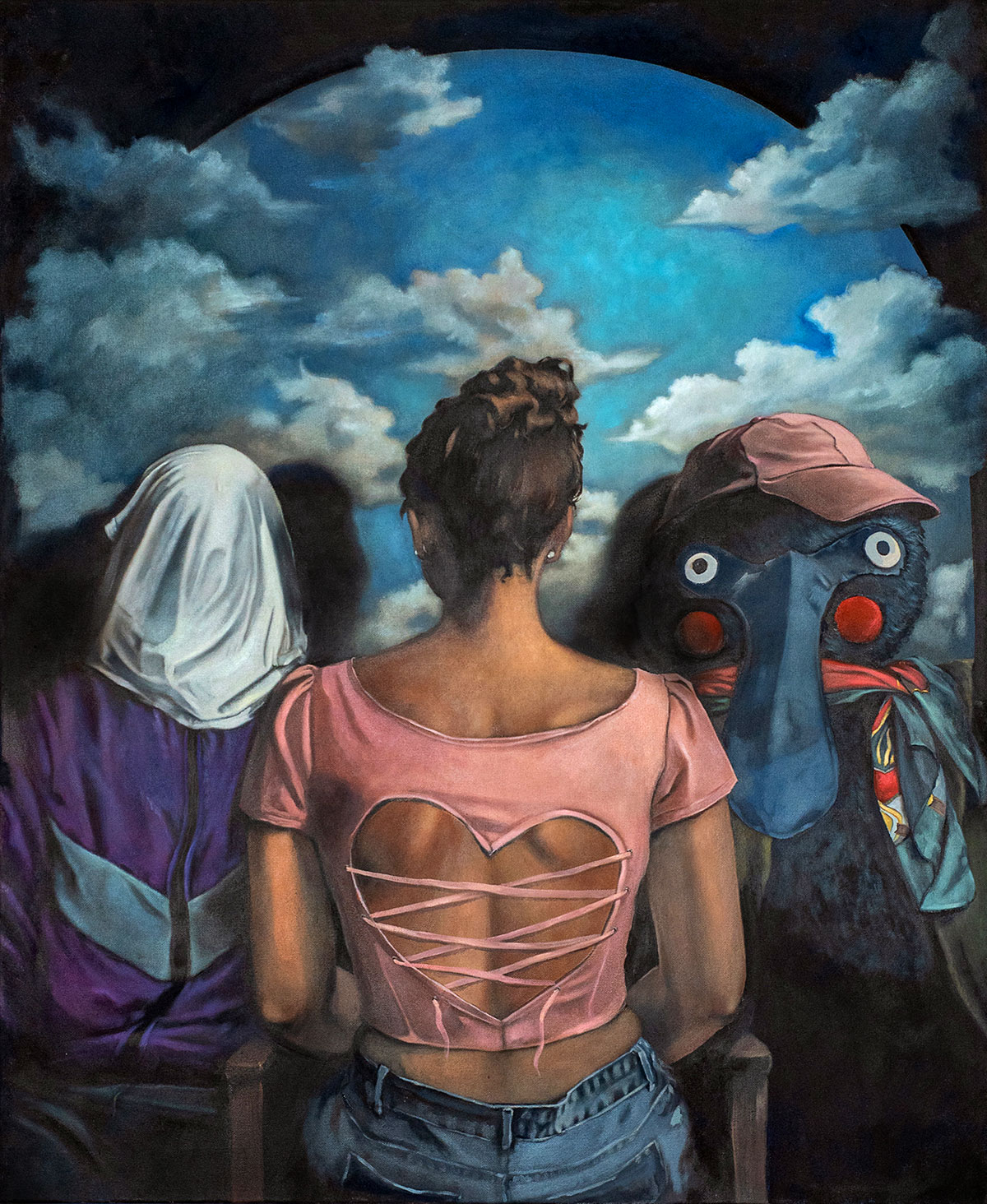
Eliane Diur, 'Familienaufstellung', 2025, Oil on canvas, 130 × 100 cm
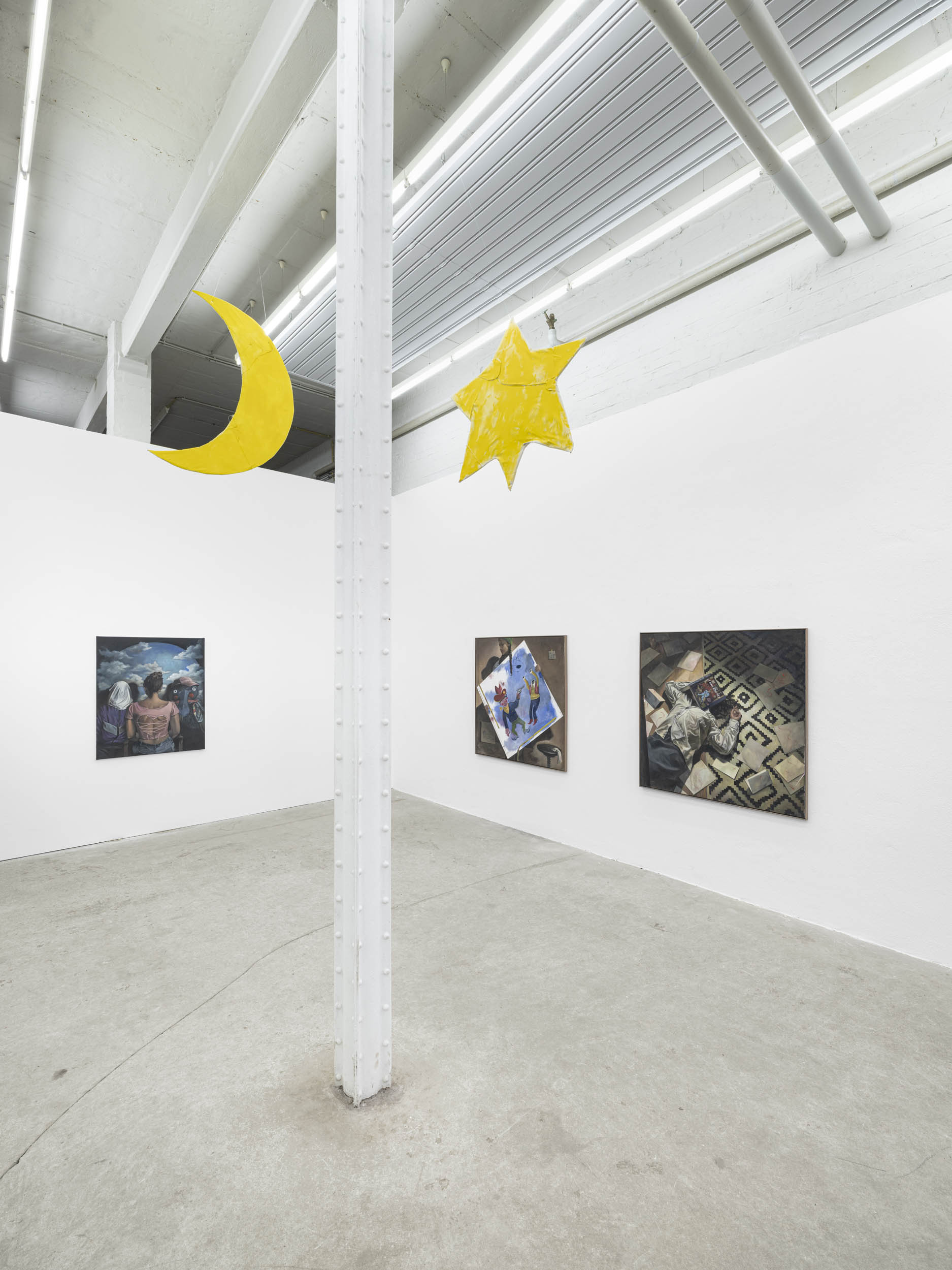
Installation view: Eliane Diur, ‘Notes to Self’, Galerie Tobias Naehring, 2026
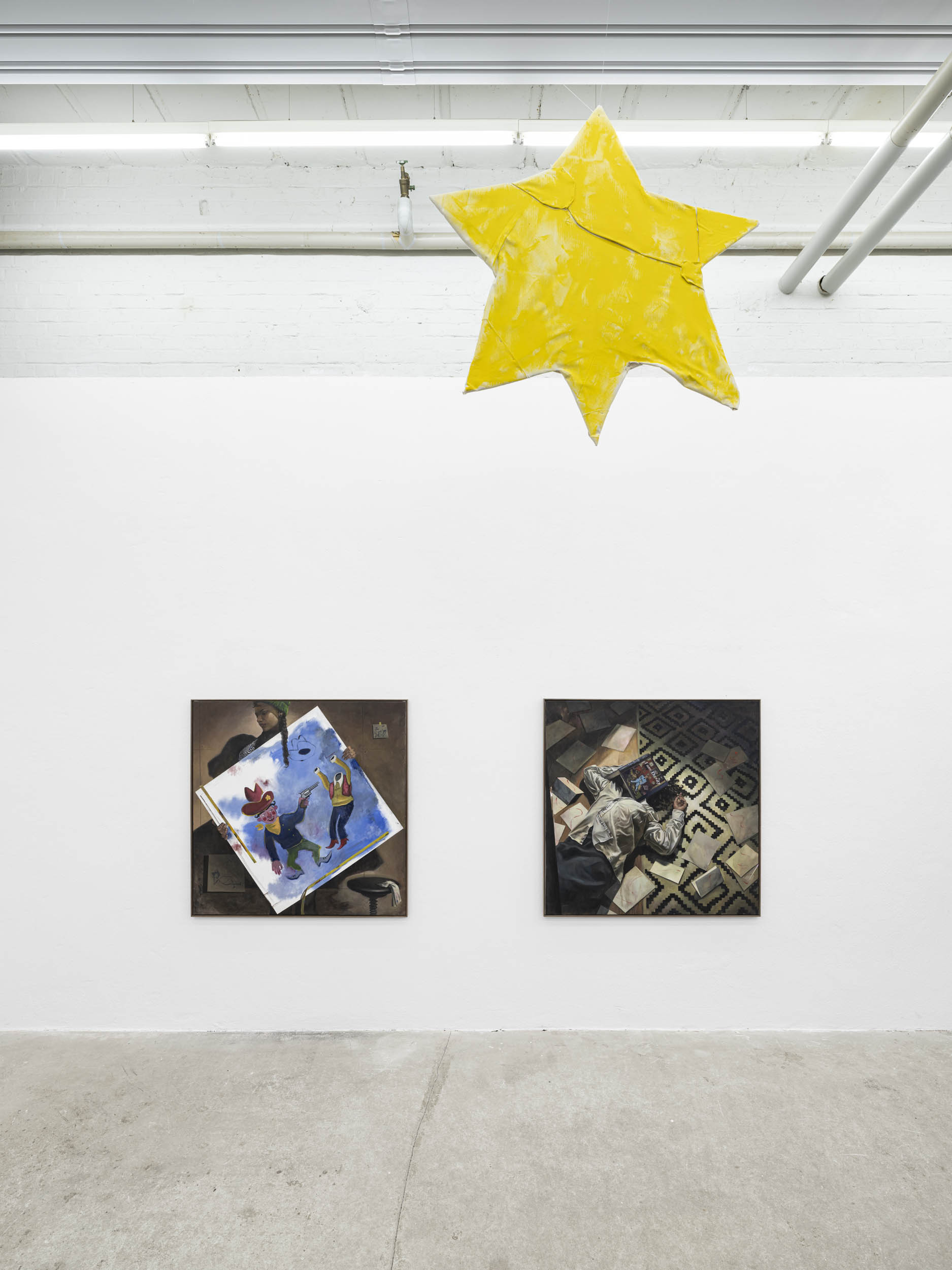
Installation view: Eliane Diur, ‘Notes to Self’, Galerie Tobias Naehring, 2026
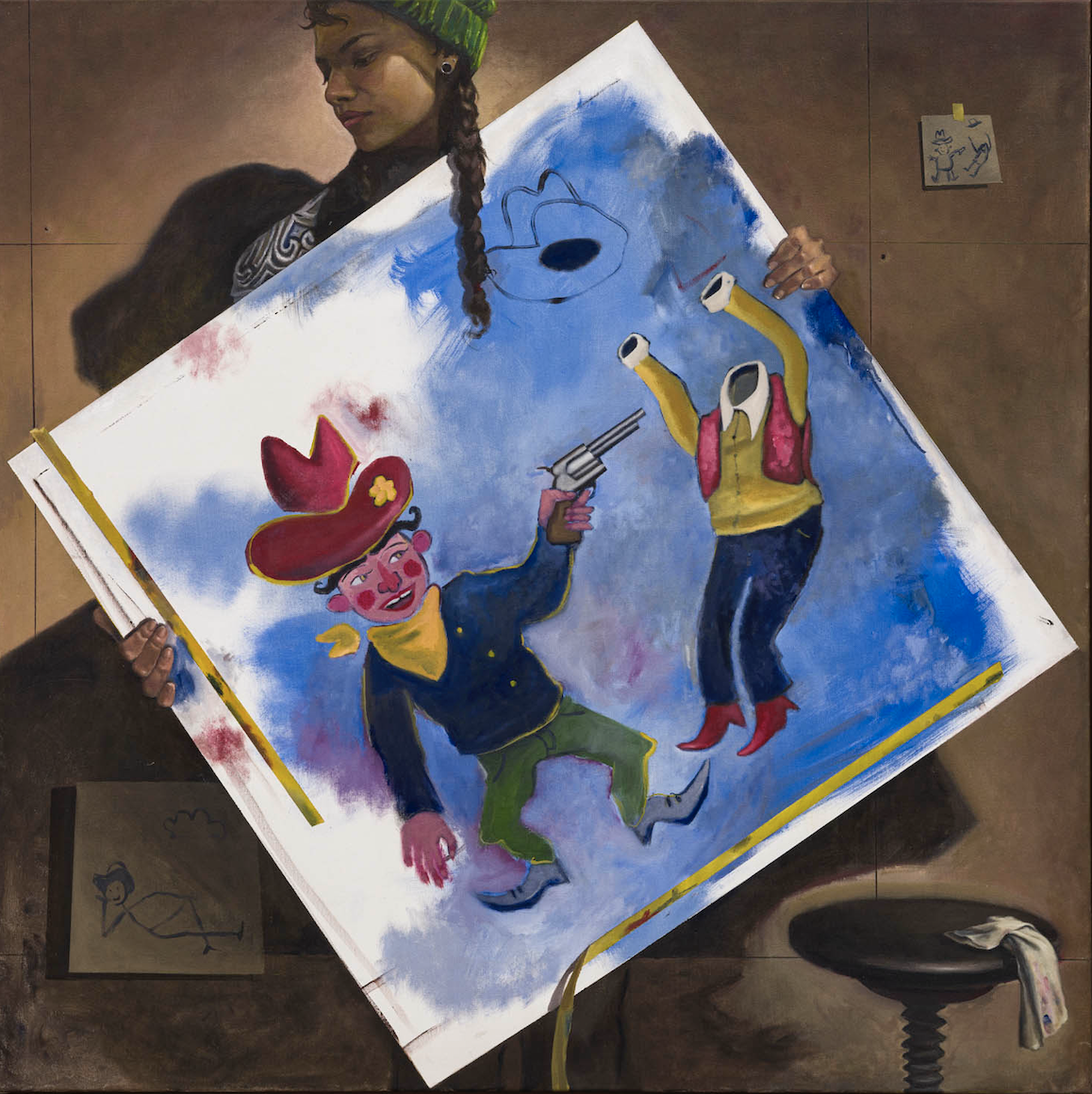
Eliane Diur, 'Ich knall' dich ab!', 2025, Oil on canvas, 130 × 130 cm
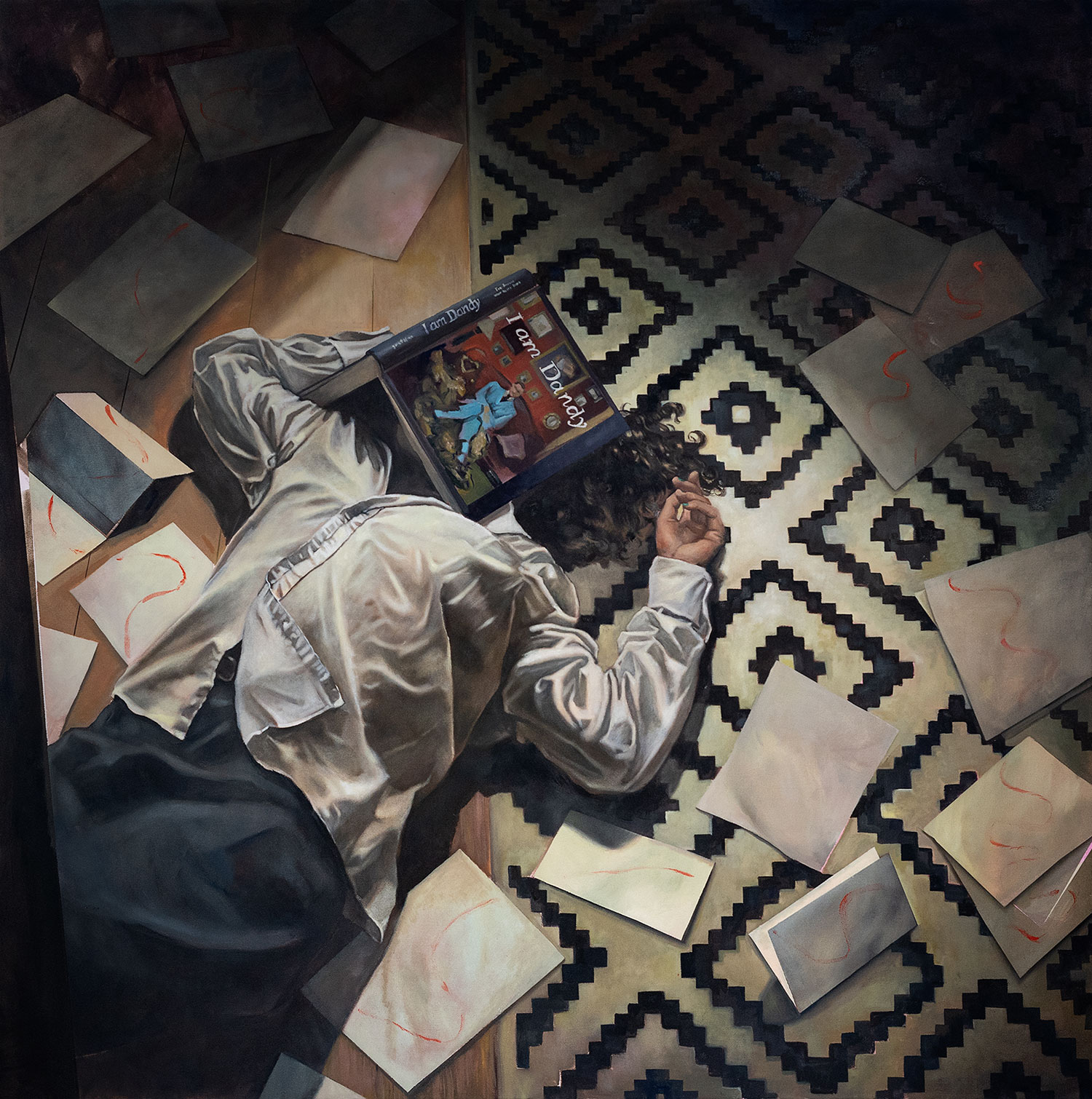
Eliane Diur, 'IMir ist nicht mehr zu helfen', 2025, Oil on canvas, 130 × 130 cm
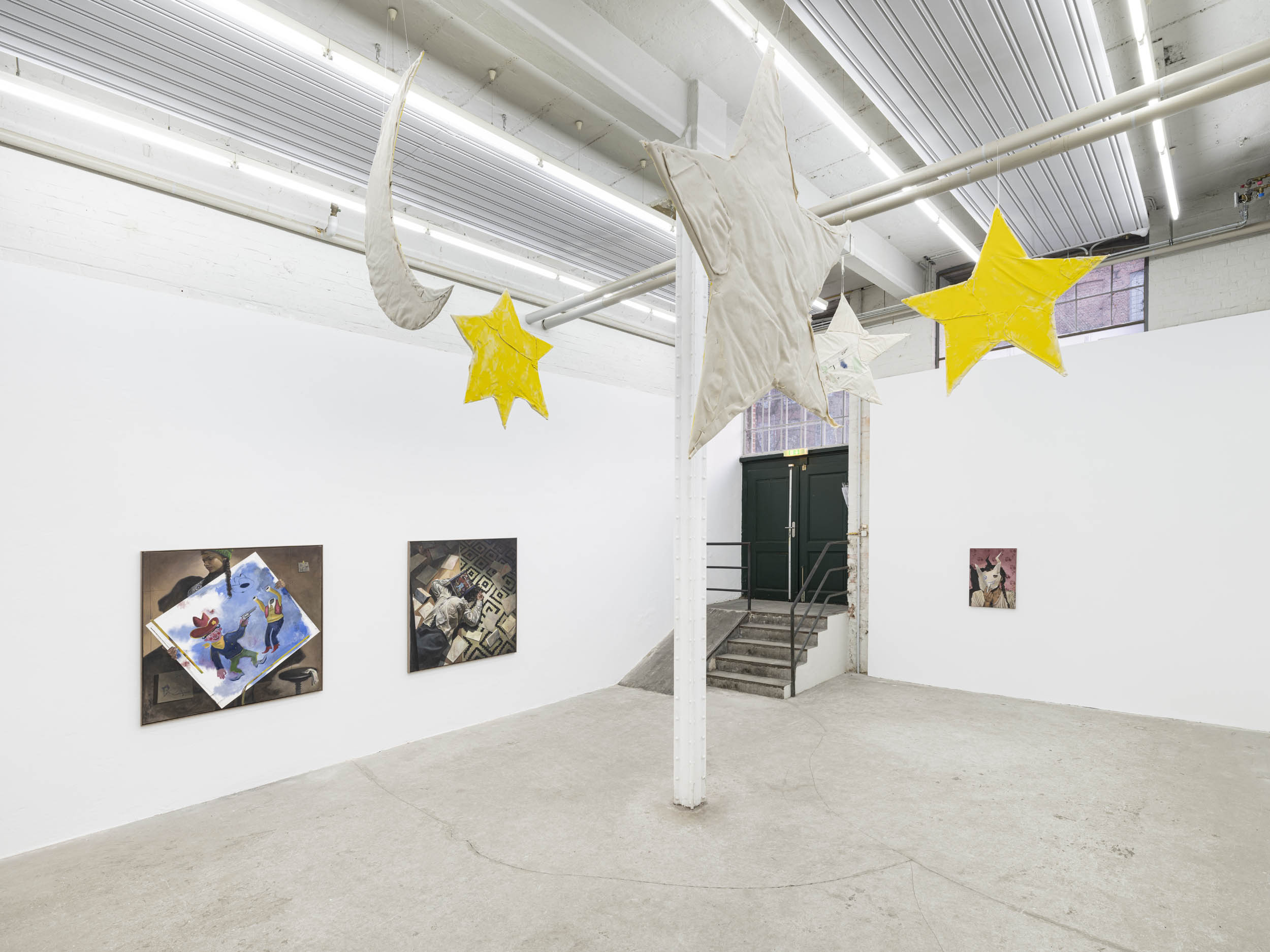
Installation view: Eliane Diur, ‘Notes to Self’, Galerie Tobias Naehring, 2026
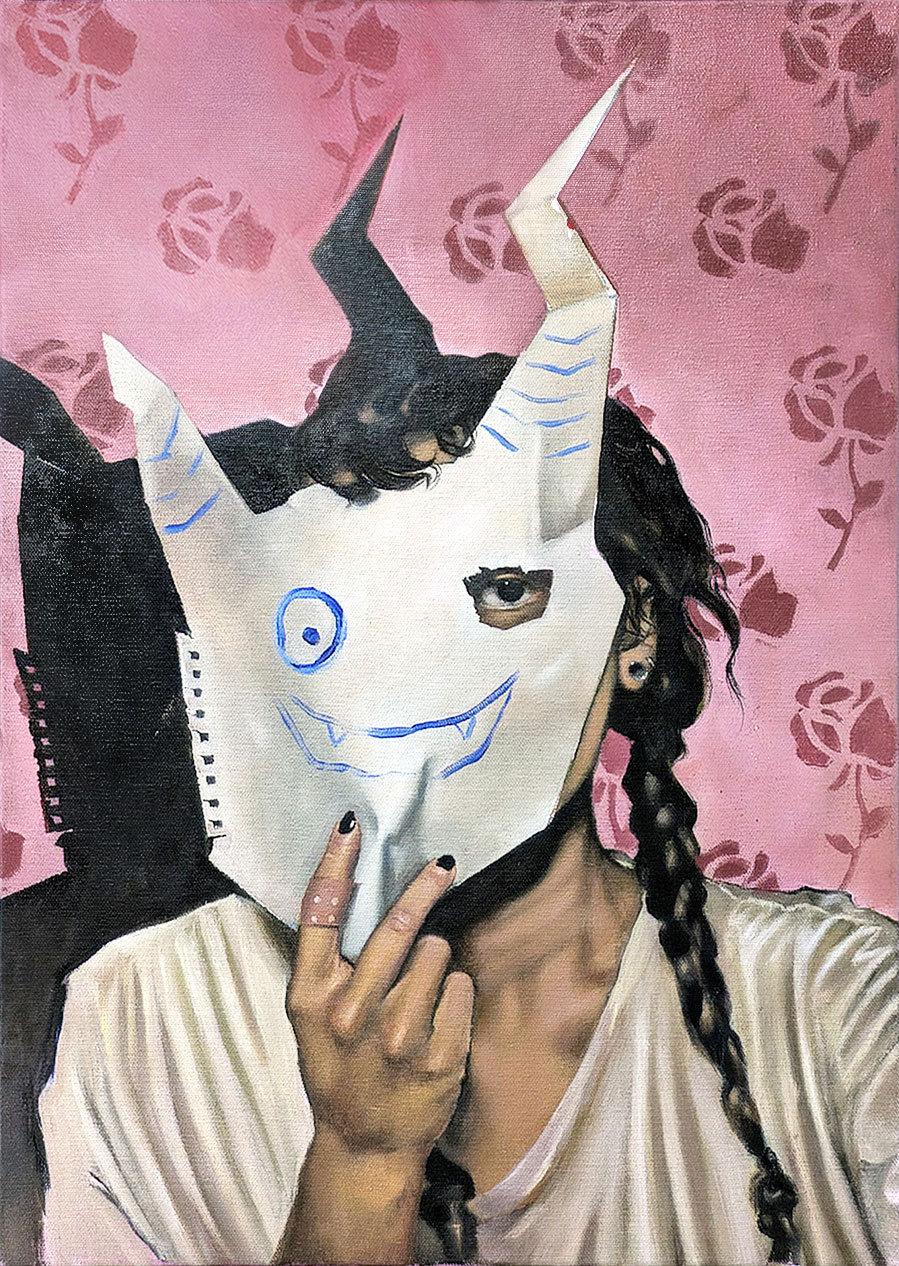
Eliane Diur, 'Der Teufel steckt im Detail', 2025, Oil on canvas, 70 × 50 cm
Art is always personal. In the painting of Eliane Diur, this premise becomes a central methodological principle. Her work unfolds as an introspective process of self-interrogation. At its core are self-portraits and alter egos situated within deliberately constructed spaces and scenarios, drawing on fantasy, dreams, and lived experience. Diur‘s painting functions less as representation than as a psychic resonance space in which inner states become visible, narratable, and open to reflection.
Formally, her work is characterized by a dynamic tension between flat, ornamental backgrounds and hyper- realistically rendered figures. This constellation generates an ambivalence between presence and staging, inti- macy and distance. The pictorial space becomes a stage on which subjectivity unfolds performatively—a process that recalls Erika Fischer-Lichte‘s concept of performativity, according to which identity is not represented but produced. Light and shadow assume a central dramaturgical function, extending what is visible through latent layers of meaning.
The title painting „Mir ist nicht mehr zu helfen“ (2025) exemplifies this pictorial logic in condensed form.
The figure of the artist lies on her back, dressed in a plain white shirt. Folded sheets of paper, intersected by
a red brushstroke, surround the body. The viewer‘s perspective coincides with the source of light, creating the impression that the gaze from outside illuminates the figure. The face is concealed beneath a book titled I am Dandy—a publication by photographer Rose Callahan and author Nathaniel Adams, which has documented the aestheticized lives of dandies in word and image for years. The book appears as a protective shield, yet it remains ambiguous whether it also functions as a burden, symbolizing cultural projections.
The fragility of one‘s own existence and the search for stability constitute another central strand in Eliane Diur‘s artistic practice. Recurring motifs such as a roof, a house, or a triangle refer to the desire for a protective space. Her works lead us back into childhood, with its naïve longings for safety, while simultaneously posing the ques- tion of how we confront reality: how much external violence can one endure, and where is the best place to hide from it?
In the painting „Festung im Wald“ (2025), Diur appears as a small girl leaning against the doorframe of a card- board castle, gazing outward with a serious yet defiant expression. The two-dimensional castle set rises in front of the dark silhouette of a forest. The miniaturized figure recalls a fairy-tale illustration, while the deliberately precarious materiality of the castle both asserts and undermines its protective function. By first constructing the object from cardboard and subsequently transforming it painterly, Diur makes the constructed nature of this retreat visible.
The technique of initially producing forms from paper recurs in other works as well—for instance in the small paintings referencing the children‘s game „Himmel und Hölle“, or in the paper mask that appears in the painting „Der Teufel steckt im Detail“. As with the cardboard castle, Diur constructed a devil‘s mask behind which her protagonist hides; a peephole allows a one-eyed view into the space. Numerous details anchor the scene in reali- ty: a bandage on a finger, an earring, a stray lock of hair. The background consists of a flat, pink wallpaper wall with stenciled roses. Against it, a sharp black shadow emerges, effectively „pinning“ the devil to the wall.
In Diur‘s paintings, it is most often night or twilight. Artificial light brings the central motifs to the fore, while flat, contoured shadows provide the subtext. In the painting „No Signal“ (2025), the artist steps frontally onto the stage of this pictorial world: holding a flip phone, she stands before a theatrical backdrop composed of curtain, crescent moon, stars, and a house façade. Her direct gaze meets that of the viewer; yet the shadow cast by the figure onto the backdrop evokes a second narrative level—a latent sense of menace that recalls cinematic strategies of suspense.
Eliane Diur‘s painting thus constructs complex psychological stage spaces in which autobiographical fragments, childlike fantasy, and cultural references are intricately interwoven. Her retreats function as fragile zones of protection, within which strategies of emotional resilience and self-assertion are tested.
Text by Olga Vostretsova
DE
Die Kunst ist immer persönlich. In der Malerei von Eliane Diur wird diese Prämisse zur zentralen Methode. Ihr Werk entfaltet sich als introspektive Selbstbefragung. Im Zentrum stehen Selbstbildnisse und Alter Egos in eigens entworfenen Räumen und Situationen, gespeist aus Fantasie, Traum und eigener Erfahrung. Diurs Malerei fungiert dabei weniger als Abbild denn als psychischer Resonanzraum, in dem innere Zustände sichtbar, erzählbar und reflektierbar werden.
Formal ist ihr Werk durch den spannungsvollen Kontrast zwischen flächigen, ornamentalen Hintergründen und hyperrealistisch ausgearbeiteten Figuren geprägt. Diese Konstellation erzeugt eine Ambivalenz zwischen Präsenz und Inszenierung, Nähe und Distanz. Der Bildraum wird zur Bühne, auf der sich Subjektivität performativ ent- faltet – ein Vorgang, der an Erika Fischer-Lichtes Konzept der Performativität erinnert, wonach Identität nicht dargestellt, sondern hervorgebracht wird. Licht und Schatten übernehmen dabei eine zentrale dramaturgische Funktion, indem sie das Sichtbare um latente Bedeutungsebenen erweitern.
Das Titelbild „Mir ist nicht mehr zu helfen“ (2025) verdichtet diese Bildlogik exemplarisch. Die Figur der Künst- lerin liegt auf dem Rücken, bekleidet mit einem schlichten weißen Hemd. Gefaltete Blätter, von einem roten Pinselstrich durchzogen, umgeben den Körper. Die Perspektive der Betrachter*in entspricht der Lichtquelle.
Es wirkt, als würde der Blick von außen die Figur ausleuchten. Das Gesicht ist unter einem Buch mit dem Titel
„I am Dandy“ verborgen – einer Publikation der Fotografin Rose Callahan und des Autors Nathaniel Adams, die seit Jahren das ästhetisierte Leben von Dandys in Wort und Bild festhalten. Das Buch wirkt wie ein Schutzschild, doch es bleibt offen, ob es eine Last ist, die kulturelle Projektionen symbolisiert.
Die Fragilität der eigenen Existenz und die Suche nach Halt bilden einen weiteren zentralen Strang in Eliane Diurs künstlerischem Werk. Wiederkehrende Motive wie ein Dach, ein Haus oder ein Dreieck verweisen auf den Wunsch nach einem Schutzraum. Ihre Arbeiten entführen uns in die Kindheit mit ihren naiven Sehnsüchten nach Geborgenheit und stellen zugleich die Frage, wie wir der Realität begegnen: Wie viel Gewalt von außen kann man ertragen, und wo findet sich das beste Versteck davor?
Im Bild „Festung im Wald“ (2025) erscheint Diur als kleines Mädchen, das sich an den Türrahmen eines Papp- schlosses lehnt und ernst, doch herausfordernd hinausblickt. Die zweidimensionale Kulisse des Schlosses ragt
vor der dunklen Silhouette eines Waldes. Die miniaturisierte Figur erinnert an eine Märchenillustration, während die bewusst prekäre Materialität des Schlosses dessen Schutzfunktion zugleich behauptet und unterläuft. Indem Diur das Objekt zunächst aus Pappe baut und anschließend malerisch transformiert, macht sie den konstruierten Charakter dieses Rückzugsraums sichtbar.
Die Technik, Formen zunächst aus Papier anzufertigen, findet sich auch in anderen Werken wieder. So etwa in den kleinen Malereien mit dem Spiel „Himmel und Hölle“, die ebenfalls an die Welt der Kindheit anknüpfen, oder in der Papiermaske, die auf dem Bild „Der Teufel steckt im Detail“ auftaucht. Ähnlich wie beim Pappschloss baute sich Eliane Diur hier eine Teufelsmaske, hinter der sich ihre Protagonistin verbirgt – ein Guckloch erlaubt den Blick mit einem Auge in den Raum. Viele Details verankern die Szene in der Realität: ein Pflaster auf dem
Finger, ein Ohrring, eine fliegende Haarsträhne. Der Hintergrund bildet eine flache, rosafarbene Tapetenwand mit schablonierten Rosen. Auf ihr zeichnet sich ein scharfer, schwarzer Schatten ab, der den Teufel gewissermaßen „an die Wand malt“.
In Diurs Malereien ist es meist Nacht oder Dämmerung. Künstliches Licht rückt die zentralen Motive in den Vordergrund, während flache, konturierte Schatten den Subtext liefern. Das Bild „No Signal“ (2025), tritt die Künstlerin frontal auf die Bühne dieser Bildwelt: Mit einem Klapphandy in der Hand steht sie vor einer theatrali- schen Kulisse aus Vorhang, Mondsichel, Sternen und Hausfassade. Ihr direkter Blick trifft die Betrachtenden, der Schatten, den die Figur auf die Kulisse wirft, evoziert jedoch eine zweite Erzählebene – eine latent bedrohliche Szenerie, die an filmische Suspense-Strategien erinnert.
Eliane Diurs Malerei entwirft so komplexe psychische Bühnenräume, in denen autobiografische Fragmente, kindliche Fantasie und kulturelle Zitate miteinander verschränkt sind. Ihre Rückzugsorte fungieren als fragile Schutzräume, in denen Strategien emotionaler Resilienz und Selbstbehauptung erprobt werden.
Text von Olga Vostretsova