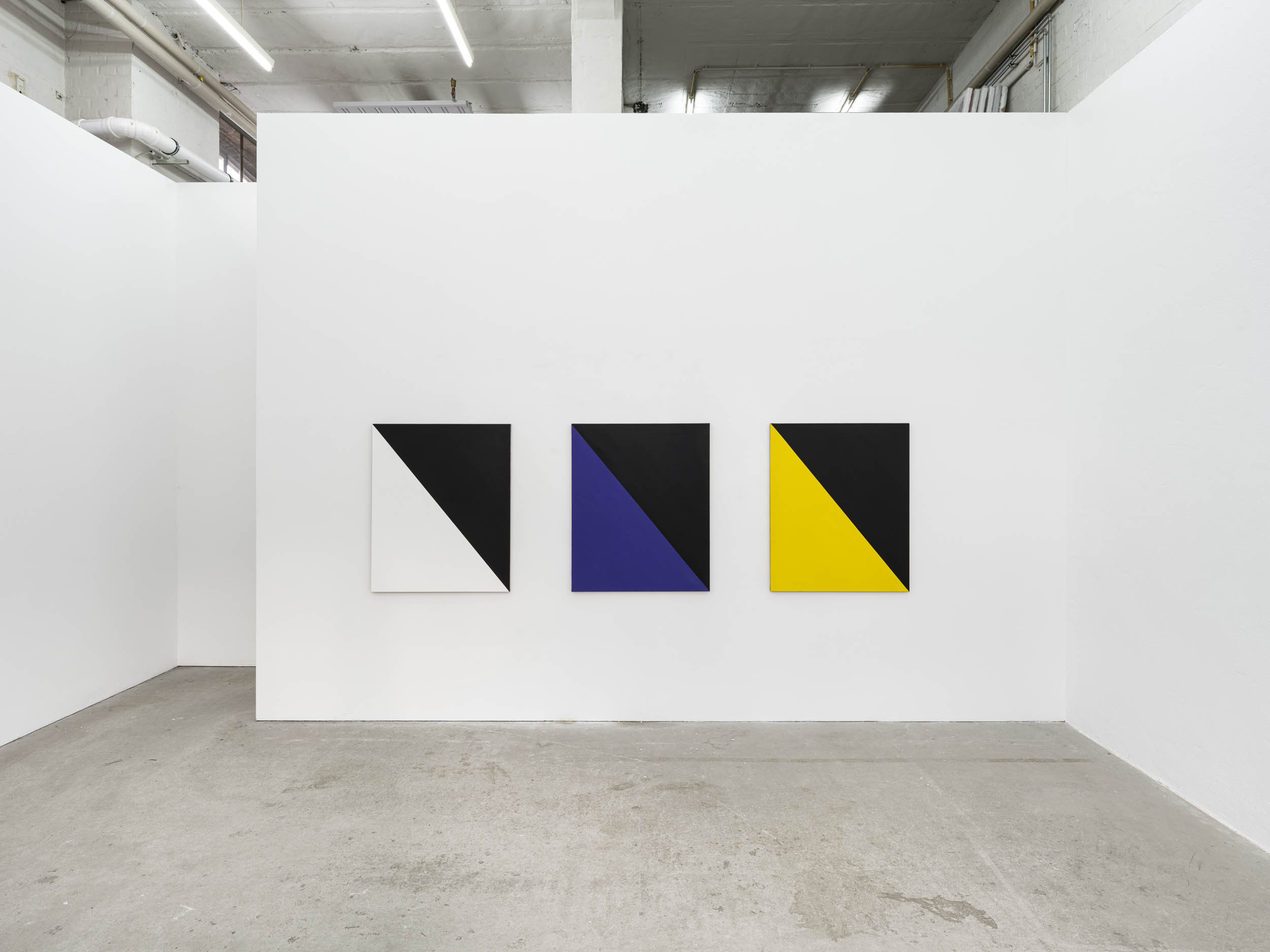
Installation view: Erik Niedling, ‘Anarchies’, October 31 — December 5, 2026, Galerie Tobias Naehring, Leipzig
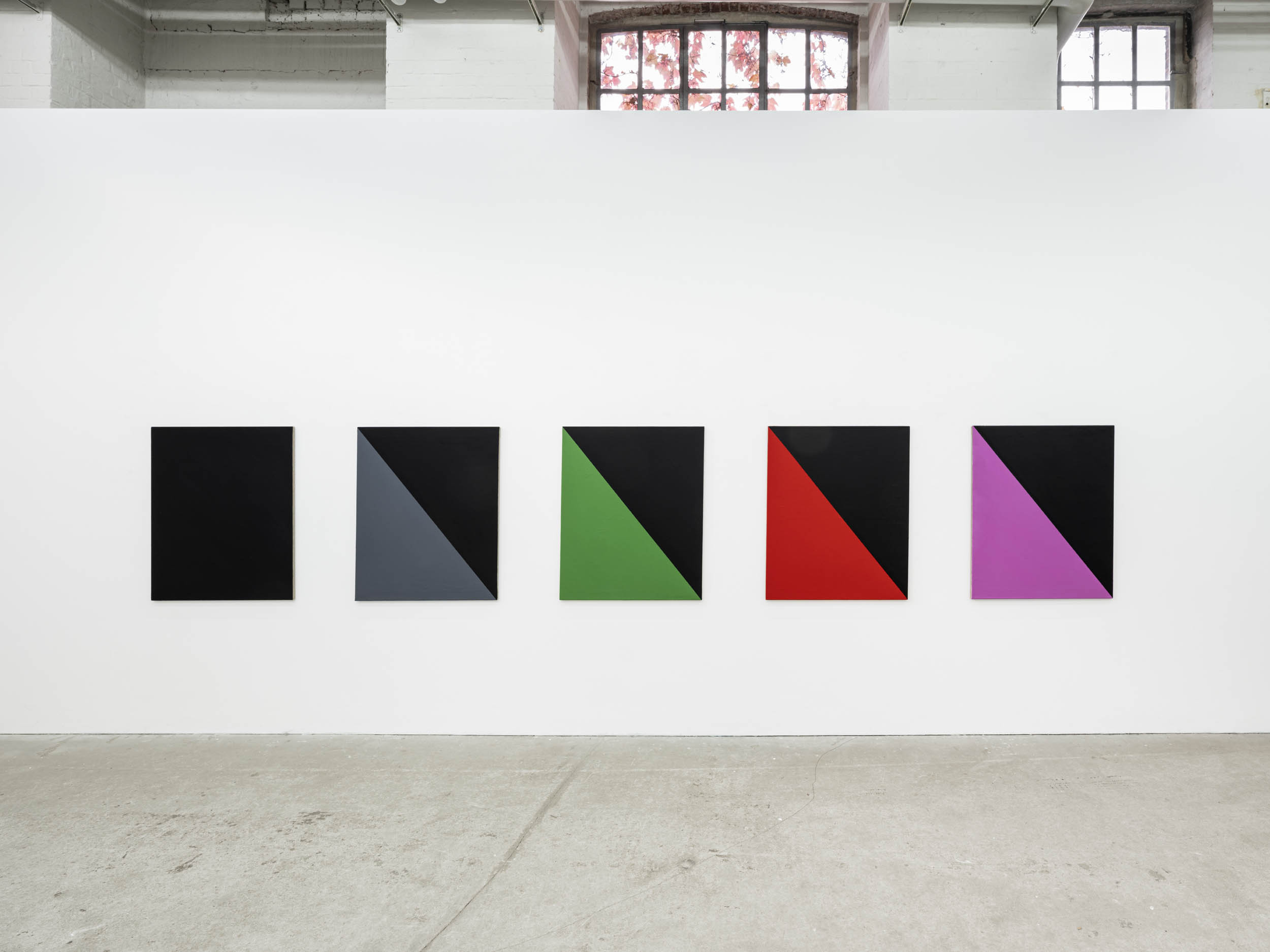
Installation view: Erik Niedling, ‘Anarchies’, October 31 — December 5, 2026, Galerie Tobias Naehring, Leipzig
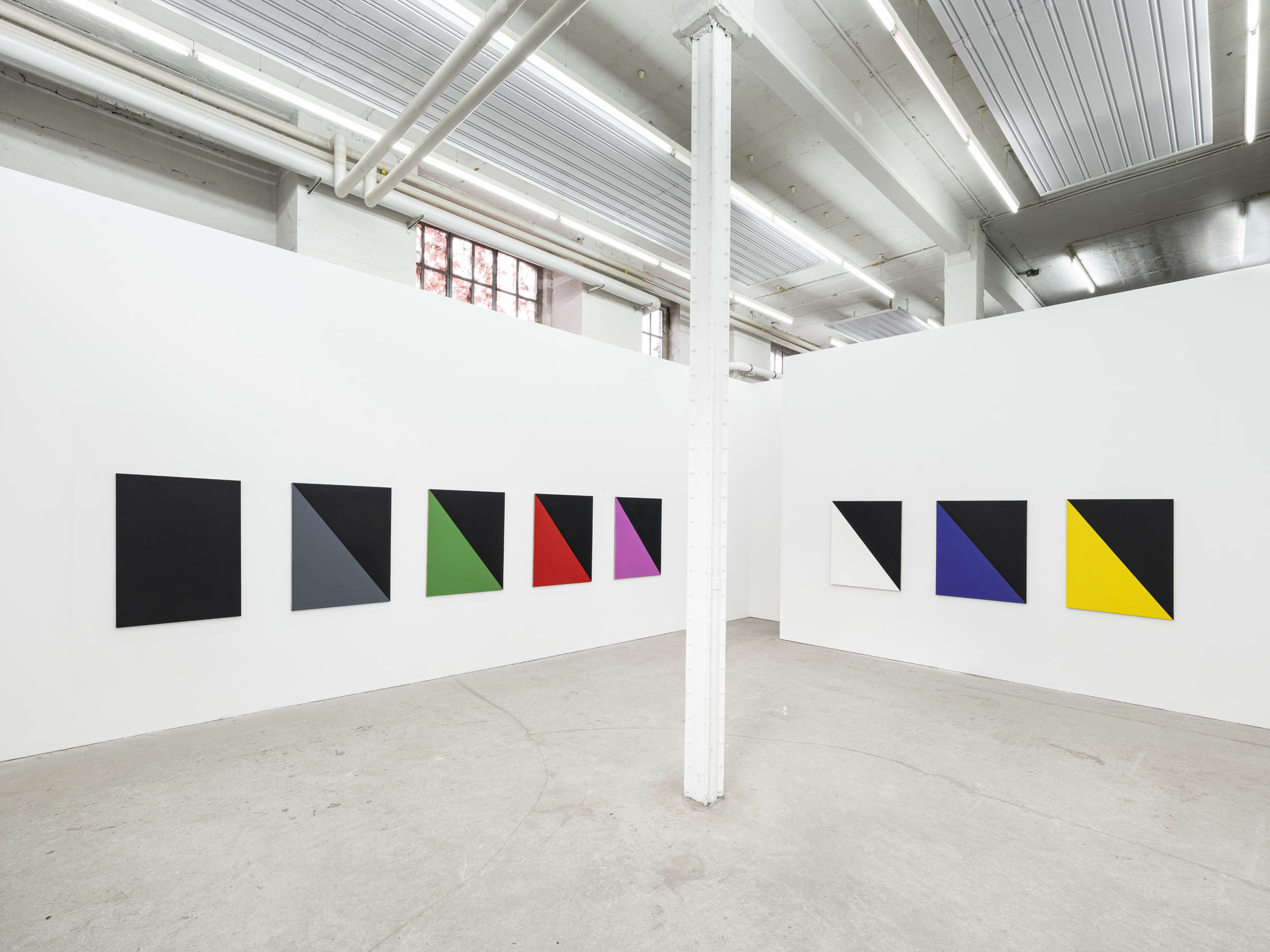
Installation view: Erik Niedling, ‘Anarchies’, October 31 — December 5, 2026, Galerie Tobias Naehring, Leipzig
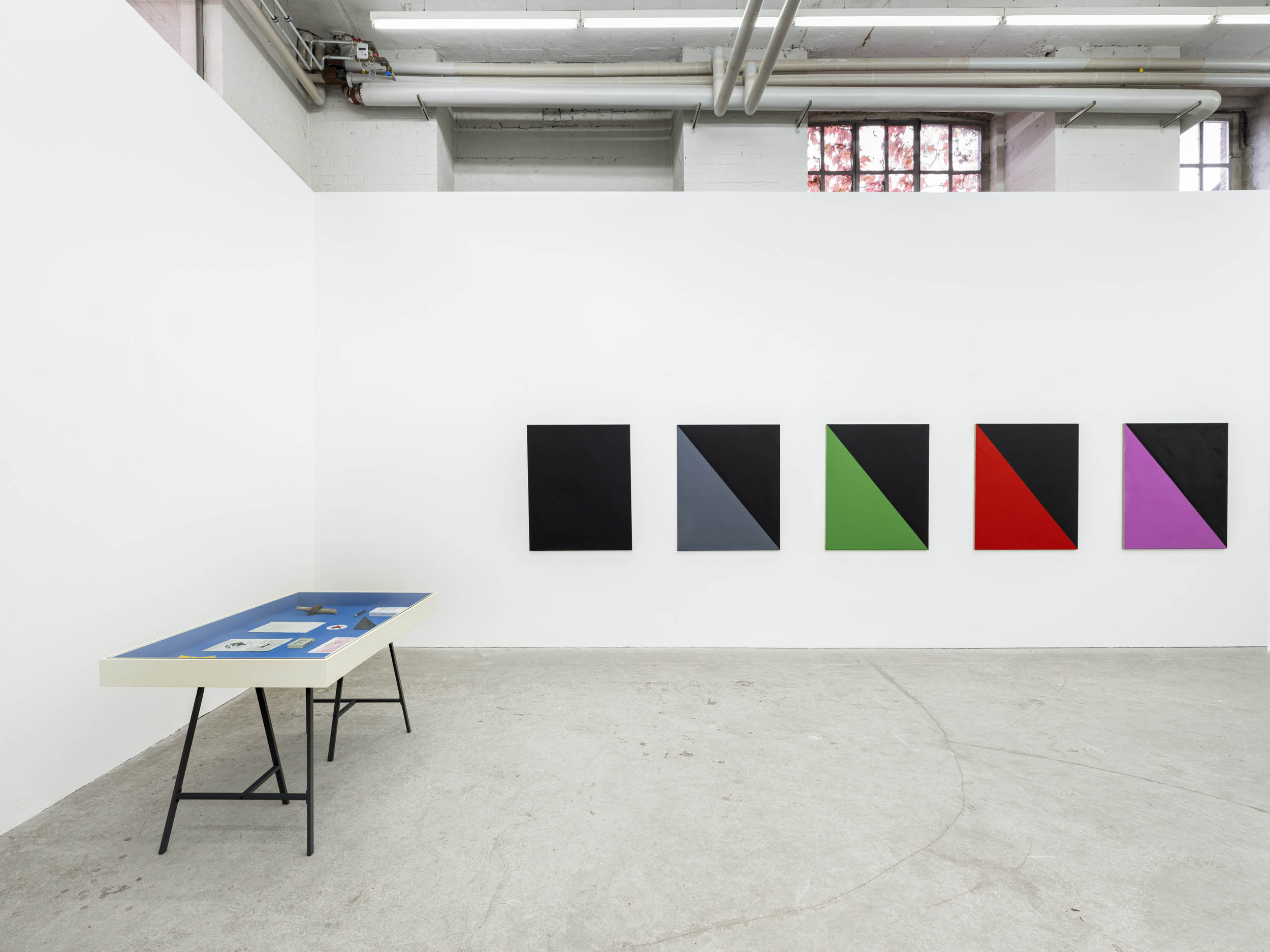
Installation view: Erik Niedling, ‘Anarchies’, October 31 — December 5, 2026, Galerie Tobias Naehring, Leipzig
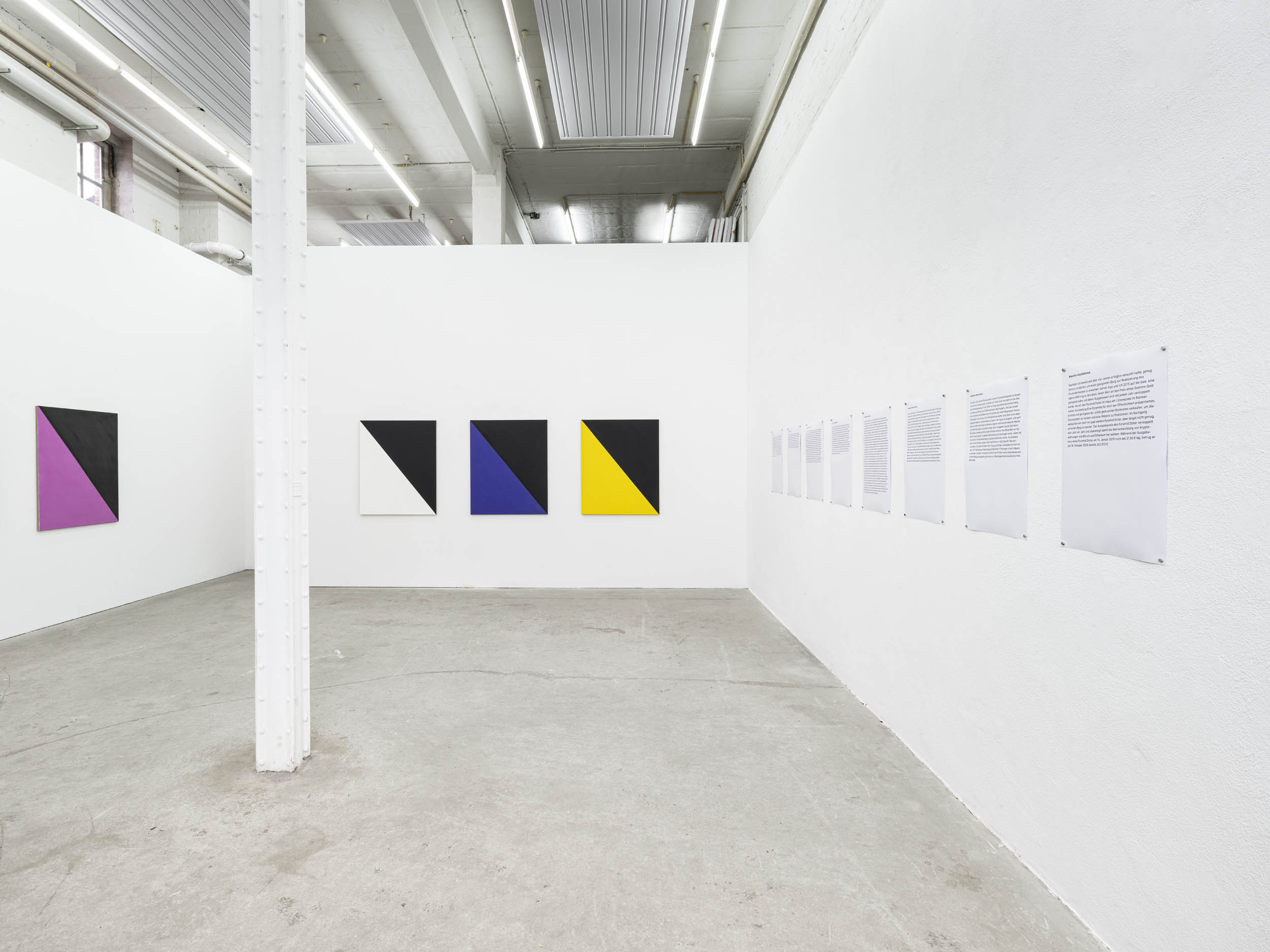
Installation view: Erik Niedling, ‘Anarchies’, October 31 — December 5, 2026, Galerie Tobias Naehring, Leipzig
Installation view: Erik Niedling, ‘Anarchies’, October 31 — December 5, 2026, Galerie Tobias Naehring, Leipzig
When sixteen-year-old Erik Niedling founds the Anarchist Faction with friends after the fall of the Wall, he longs for a life free from state control. Having been harassed by the GDR dictatorship throughout his childhood and youth, he is unwilling to submit once again to a predetermined state. As part of the Anarchist Faction, Niedling responds with symbolic resistance to the Federal Republic of Germany’s takeover of East German—euphemistically termed “reunification.” Their efforts prove unsuccessful, and Niedling first turns to internal and then to artistic emigration.
In 2021, as part of his research for the film In the Heart of Germany, Niedling reflects on his time in the Anarchist Faction. With his new series of paintings, Flag Paintings (Anarchy)—which depicts the flags of various anarchist movements—and the accompanying series of texts, Niedling explores the question of what anarchism means to him exactly. To fixate on a single “correct” form of anarchism would contradict its fundamental idea. Instead, Niedling recognizes the numerous divisions and nuances that anarchism has undergone in its 150-year-plus history in his own mindset.
The genesis of the Flag Paintings is rooted in the idea of slowing down. The two monochromatic halves of each of the eight paintings are built up with up to five layers of oil paint on very coarse canvas. Long drying times between layers and the integration of the weave’s texture into the painted surfaces make the production process—which spanned more than four years—an essential part of the work. Painting becomes a school of seeing and patience in the futile pursuit of perfection.
A display case contains artifacts that concretely relate to Niedling’s series of texts and illustrate how anarchist thought is woven into his body of work.