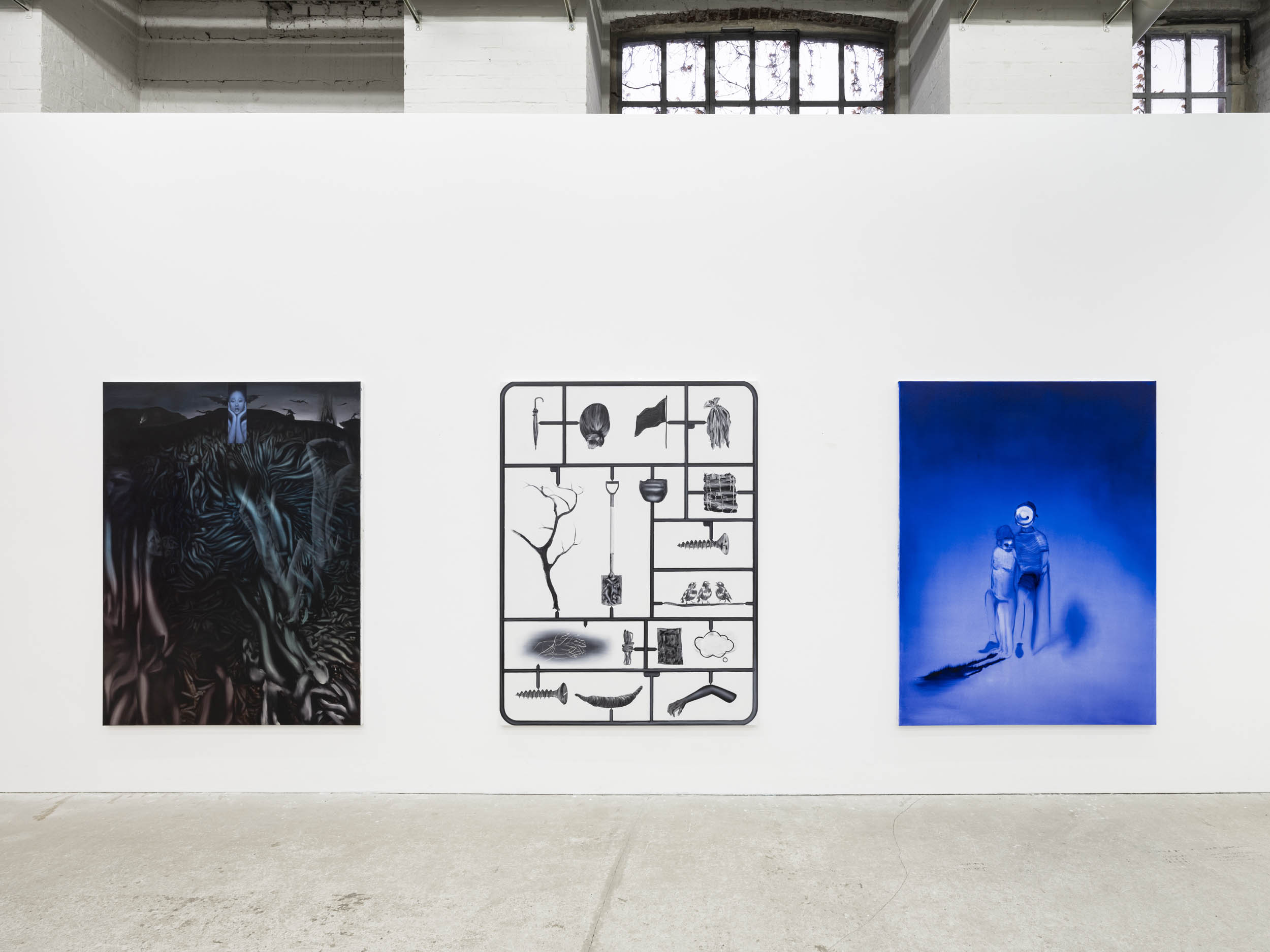
Installation view: Seth Pick, ‘No Long Term (the last paintings)’, April 25 — June 20, 2026, Galerie Tobias Naehring, Leipzig
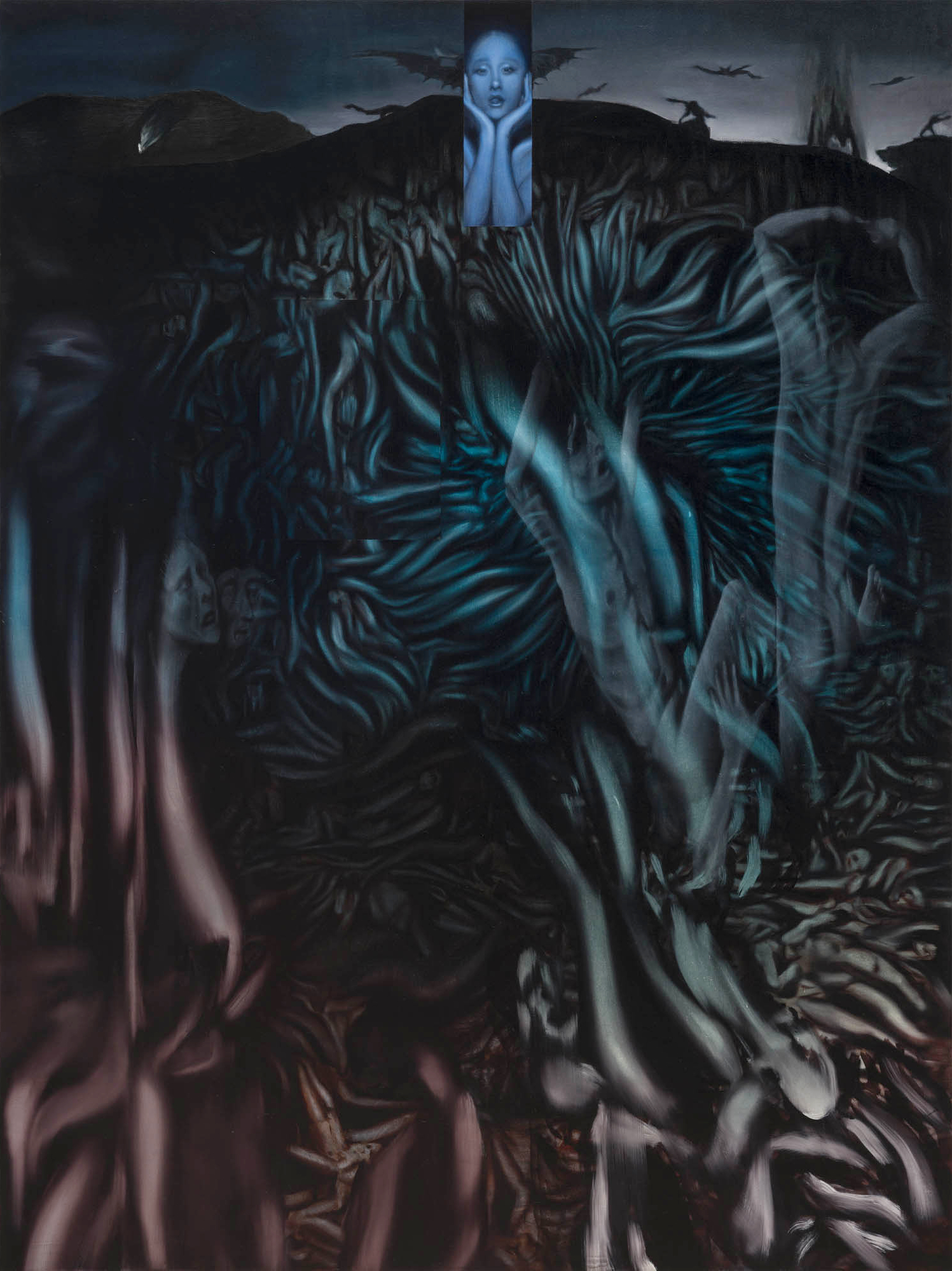
Seth Pick, 'Door', 2026, Oil and ash on linen, 200 × 150 cm
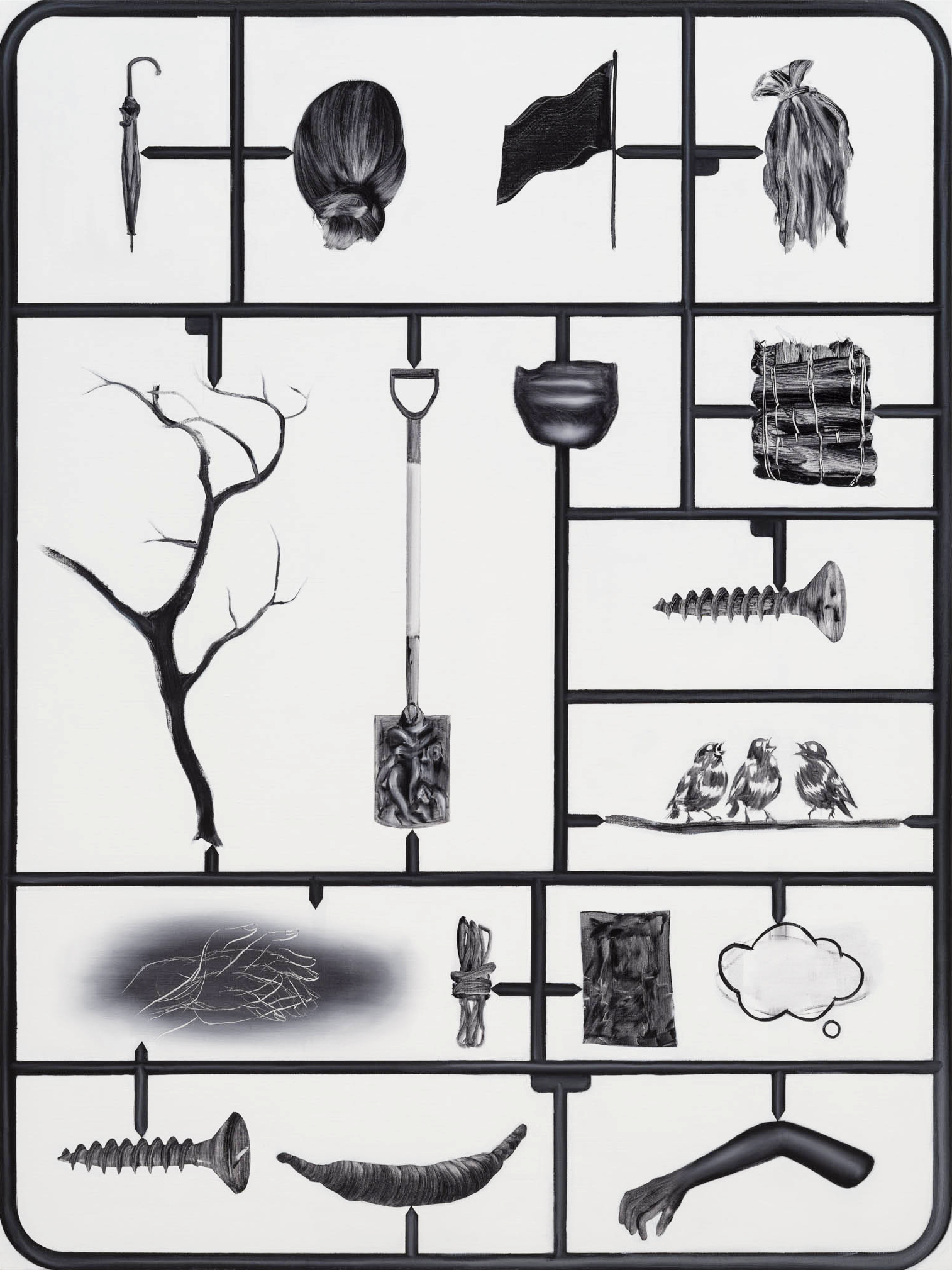
Seth Pick, 'Murmur', 2026, Oil on linen, 200 × 150 cm
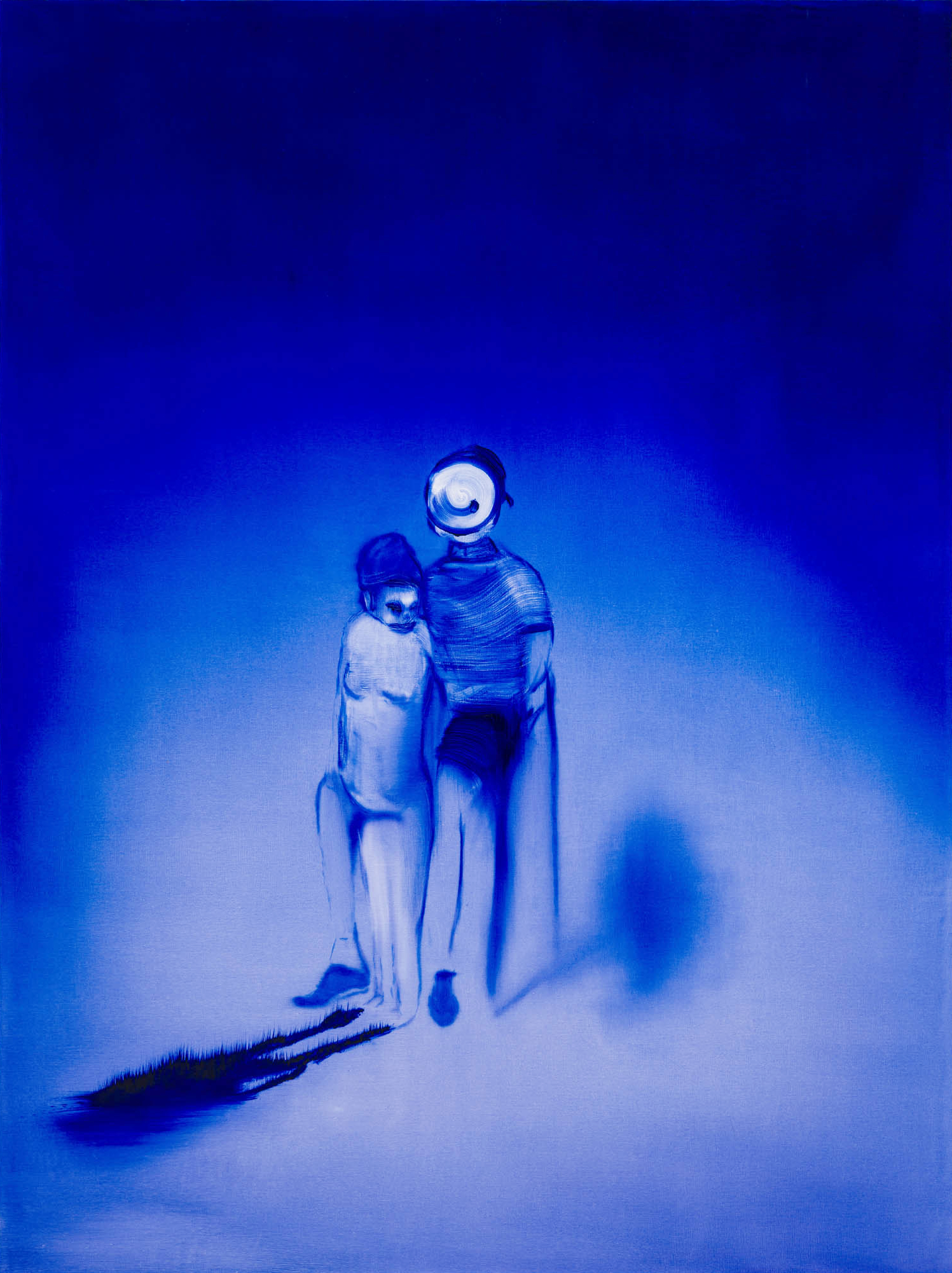
Seth Pick, '(restudy in blue) 2011 – 2026', 2026, Oil on linen, 200 × 150 cm
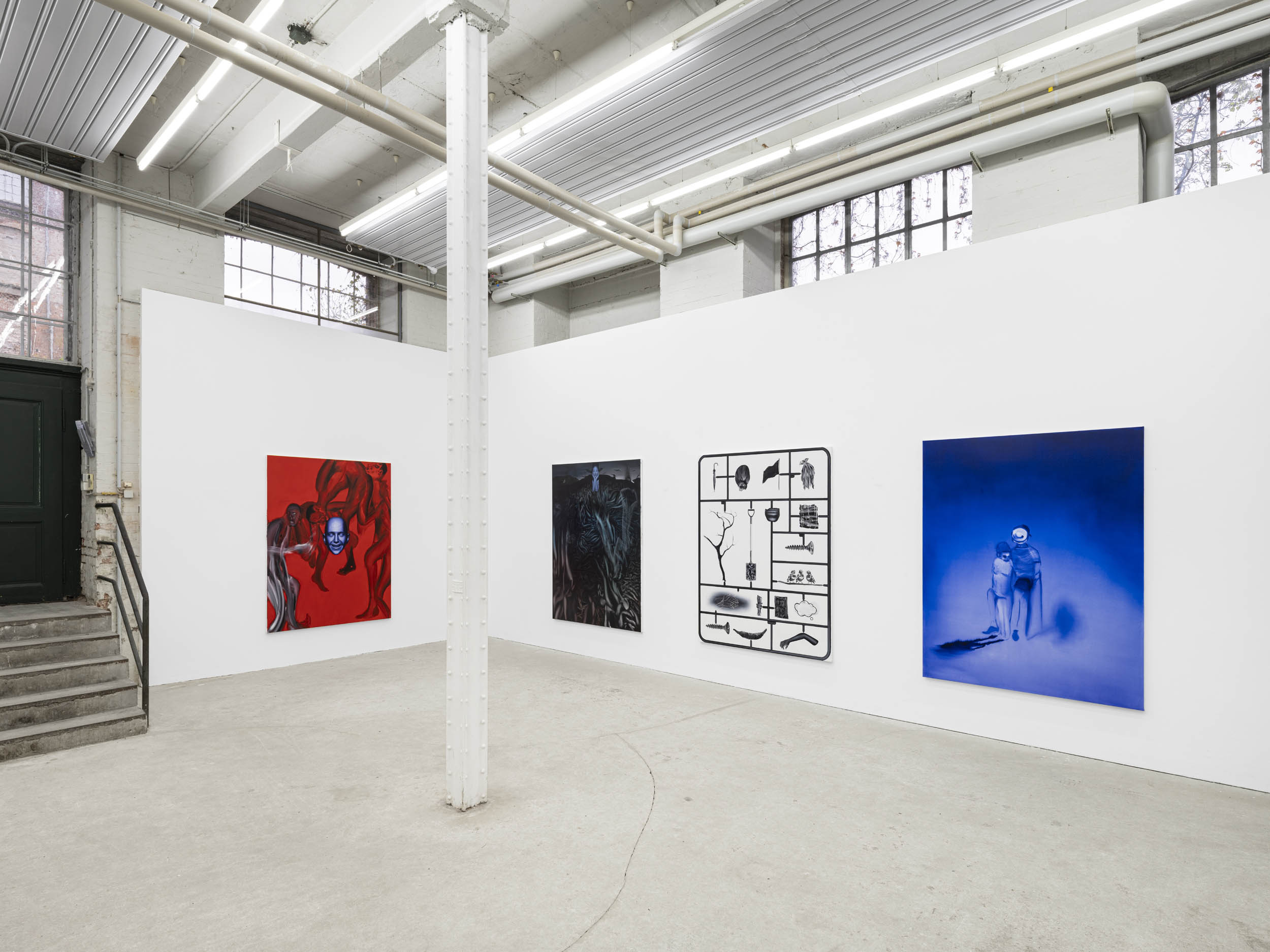
Installation view: Seth Pick, ‘No Long Term (the last paintings)’, April 25 — June 20, 2026, Galerie Tobias Naehring, Leipzig
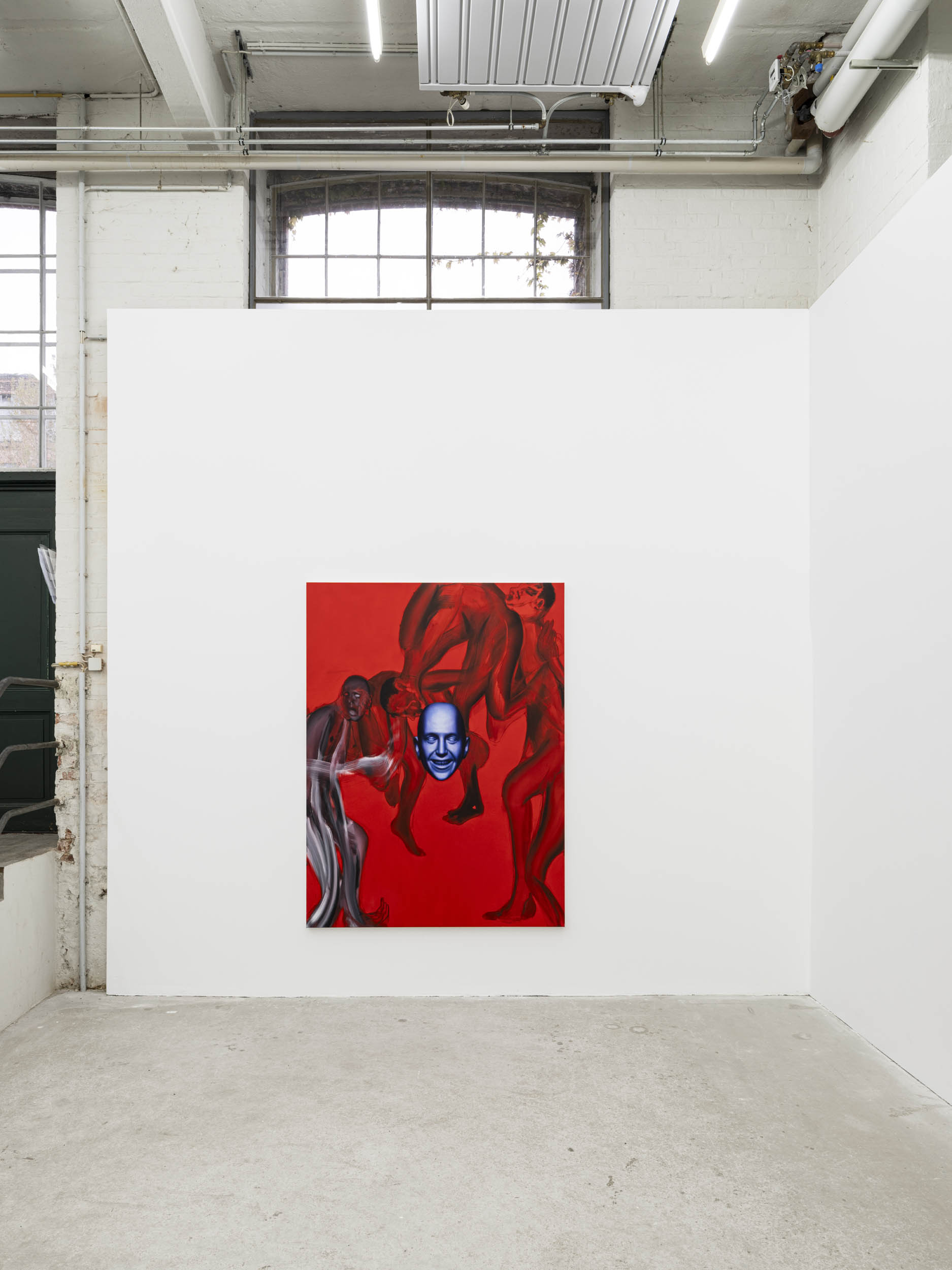
Installation view: Seth Pick, ‘No Long Term (the last paintings)’, April 25 — June 20, 2026, Galerie Tobias Naehring, Leipzig
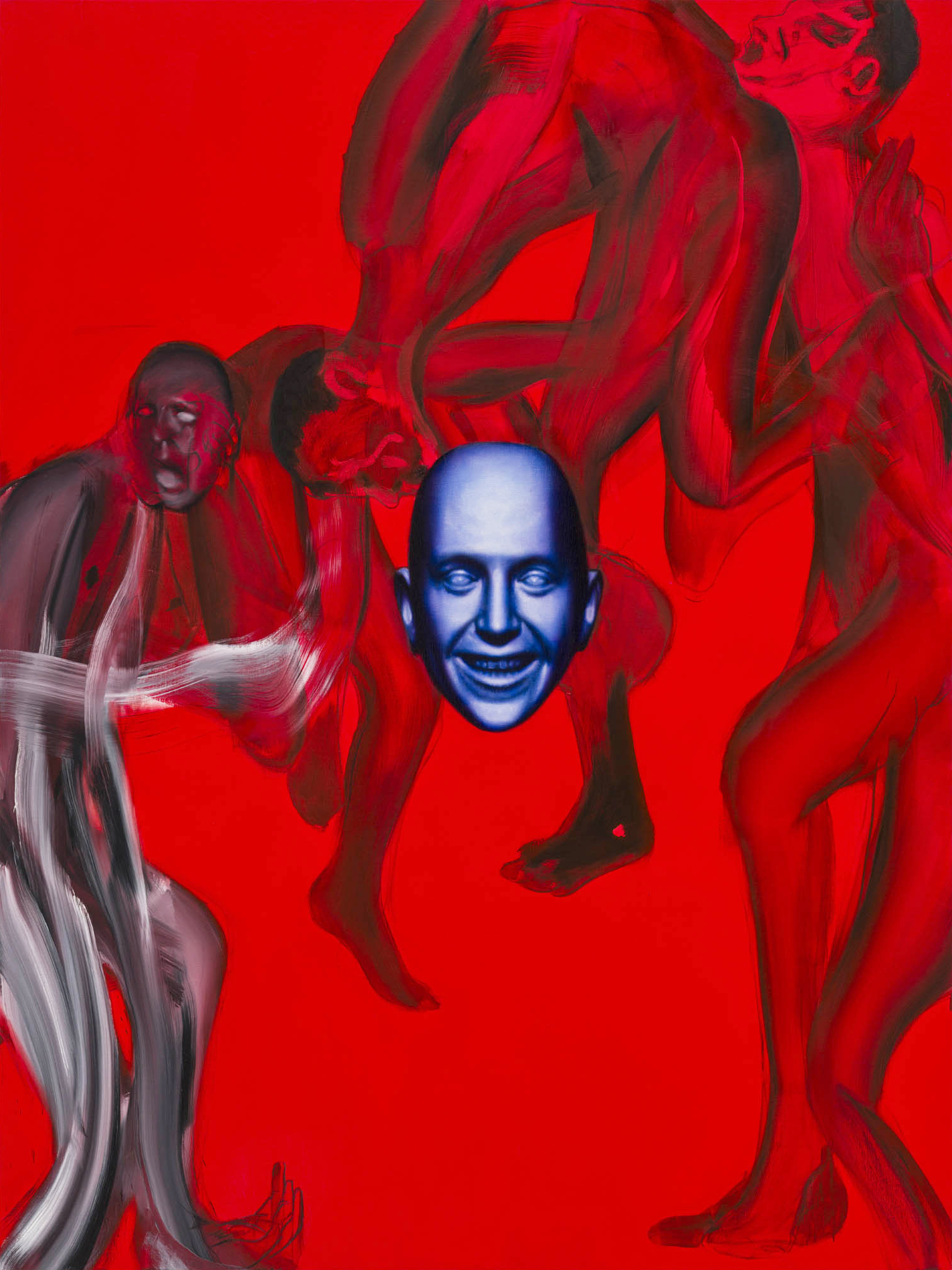
Seth Pick, 'Joy and dancing (After Botticelli)', 2026, Oil on linen, 200 × 150 cm
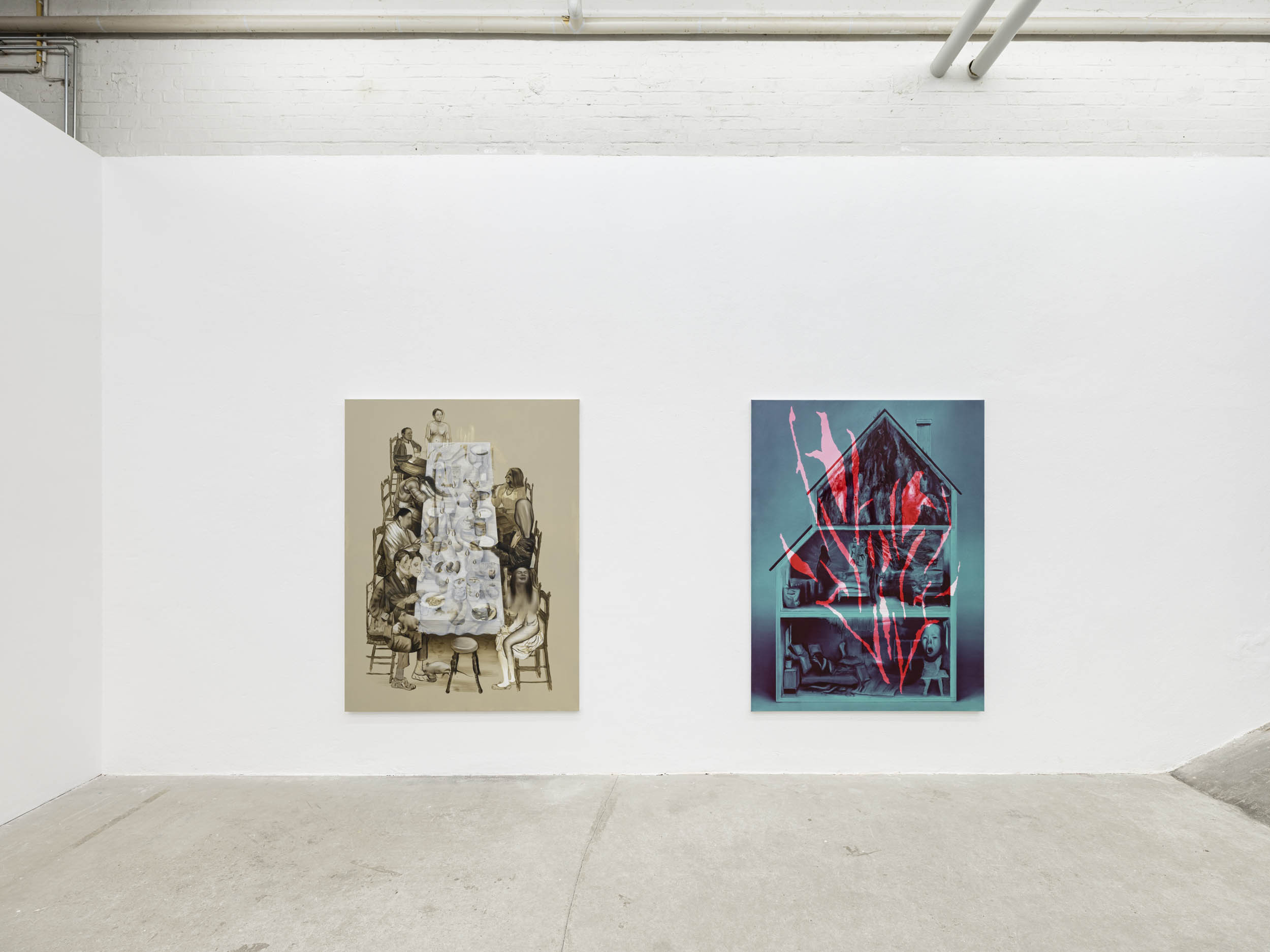
Installation view: Seth Pick, ‘No Long Term (the last paintings)’, April 25 — June 20, 2026, Galerie Tobias Naehring, Leipzig
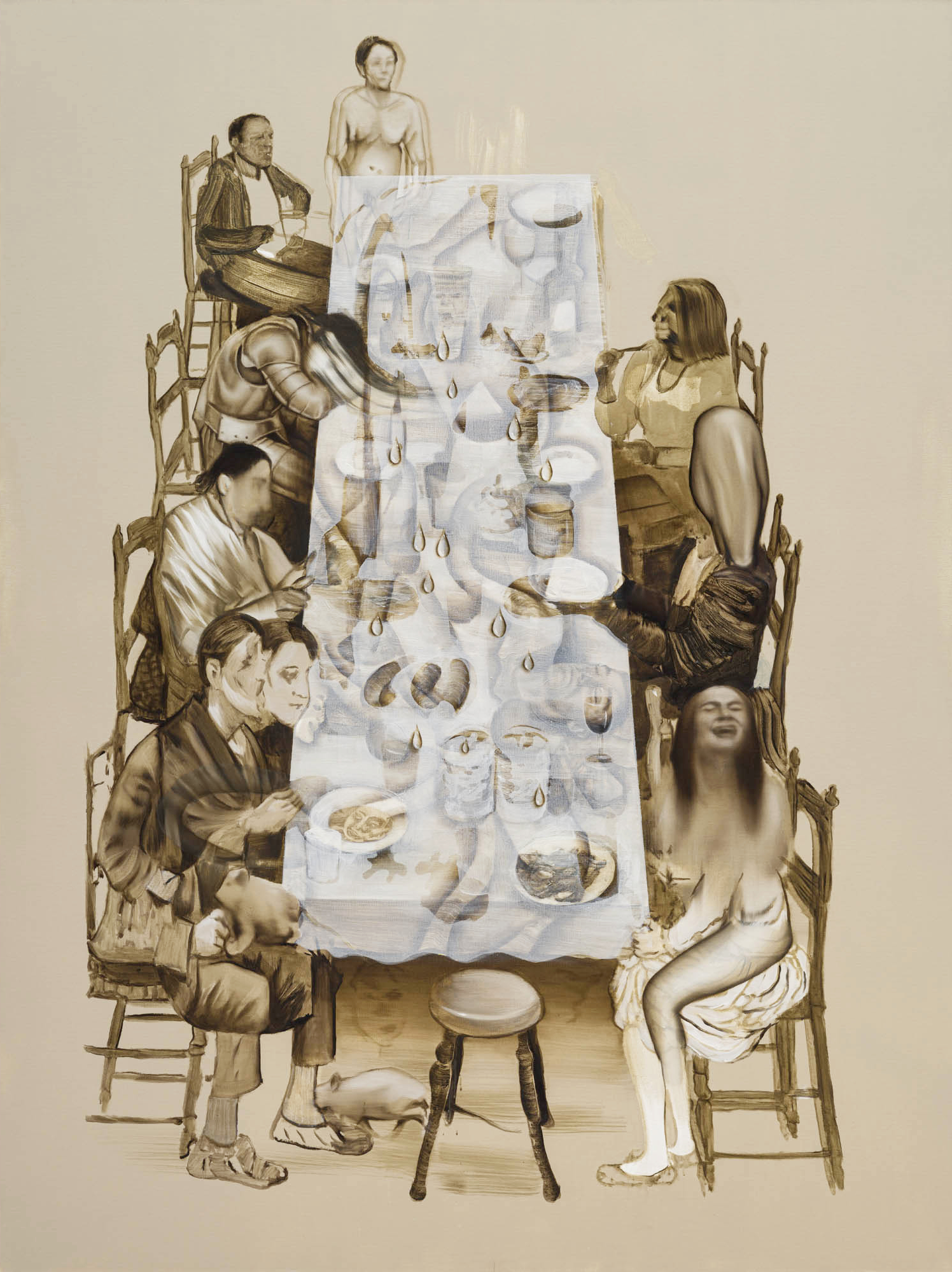
Seth Pick, 'Alles hat ein Ende nur die Wurst hat zwei', 2026, Oil and ash on linen, 200 × 150 cm
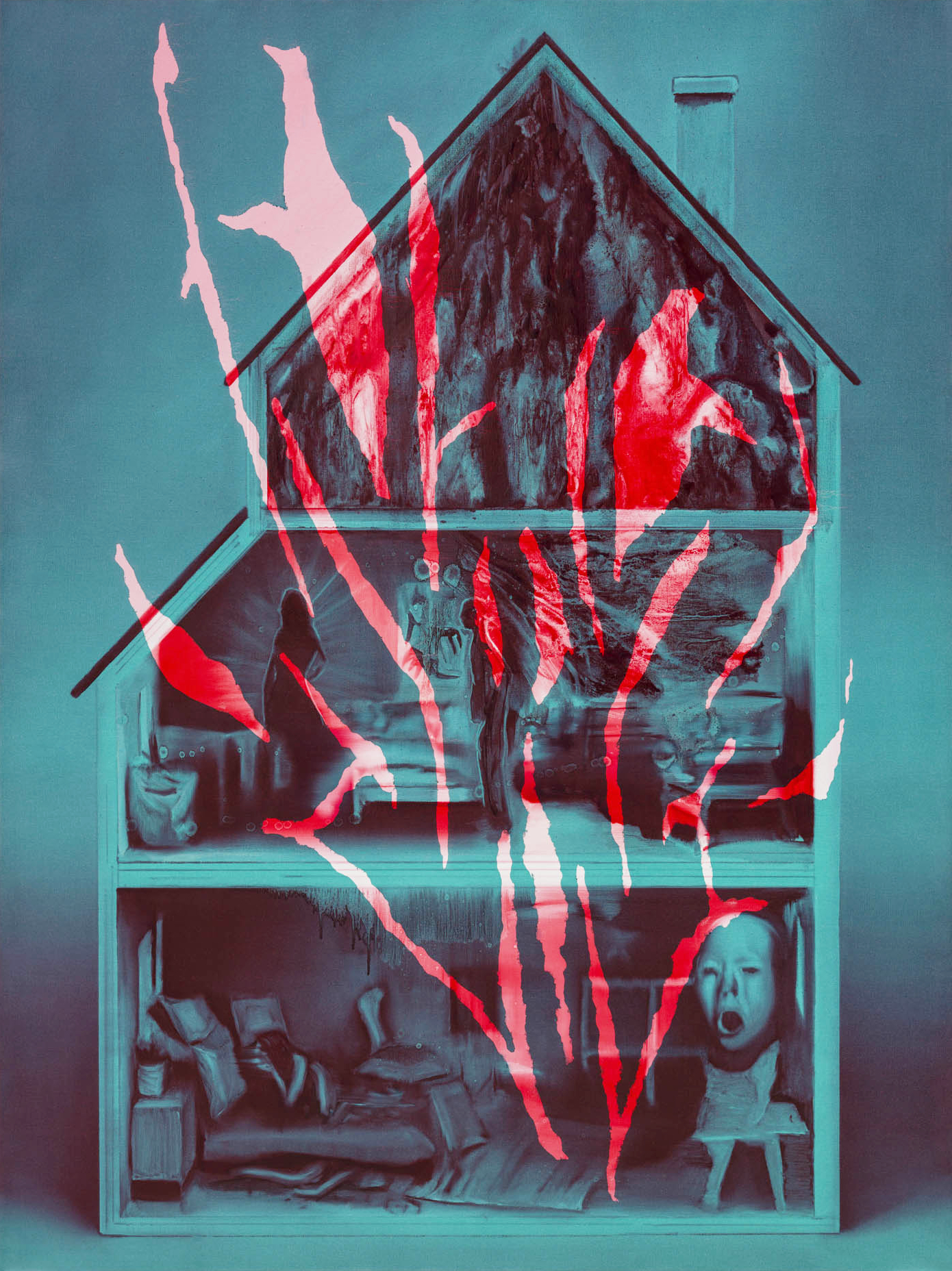
Seth Pick, 'Heimweh (what is the collective memory of a bruise)', 2026, Oil on linen, 200 × 150 cm
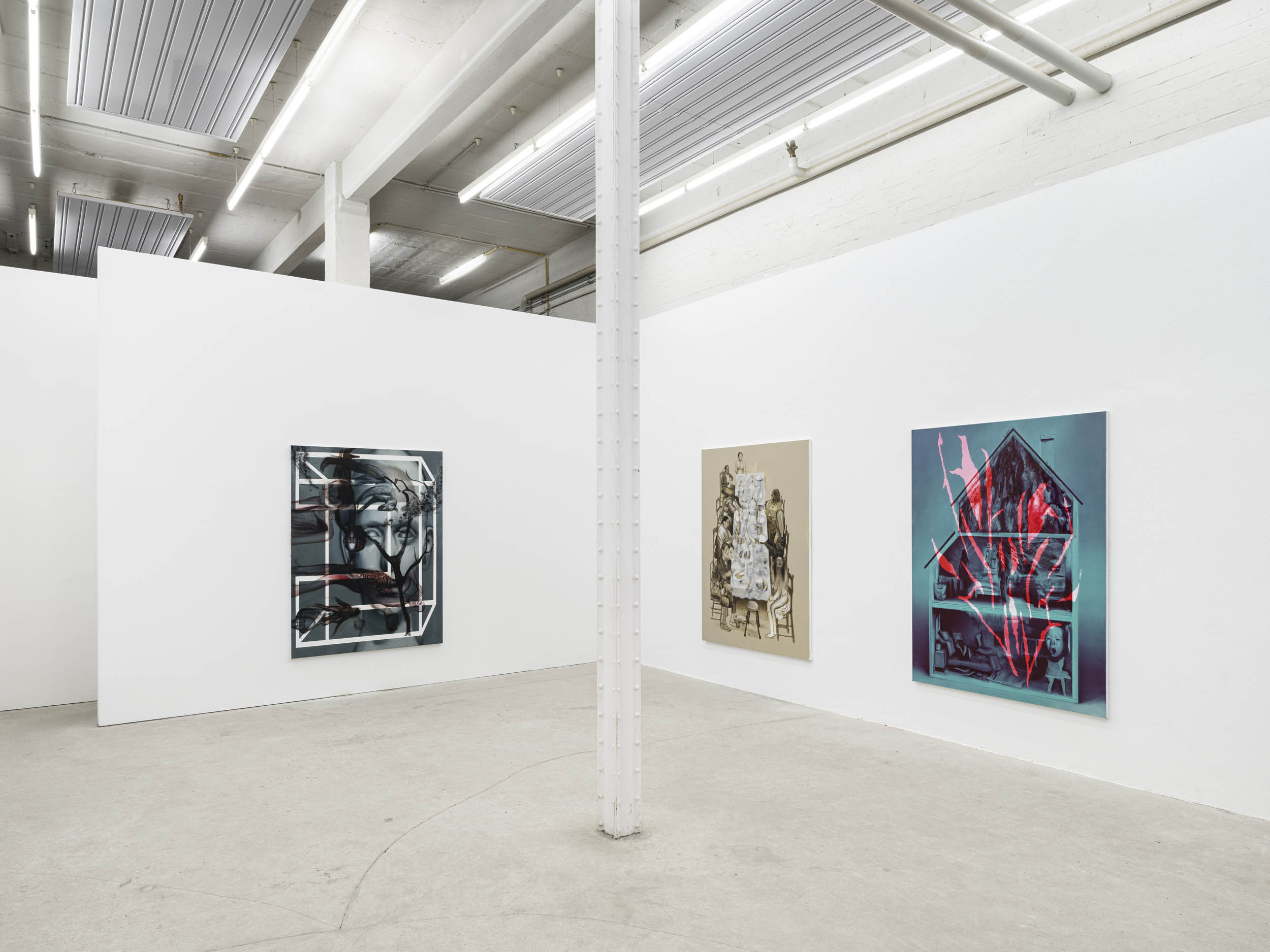
Installation view: Seth Pick, ‘No Long Term (the last paintings)’, April 25 — June 20, 2026, Galerie Tobias Naehring, Leipzig
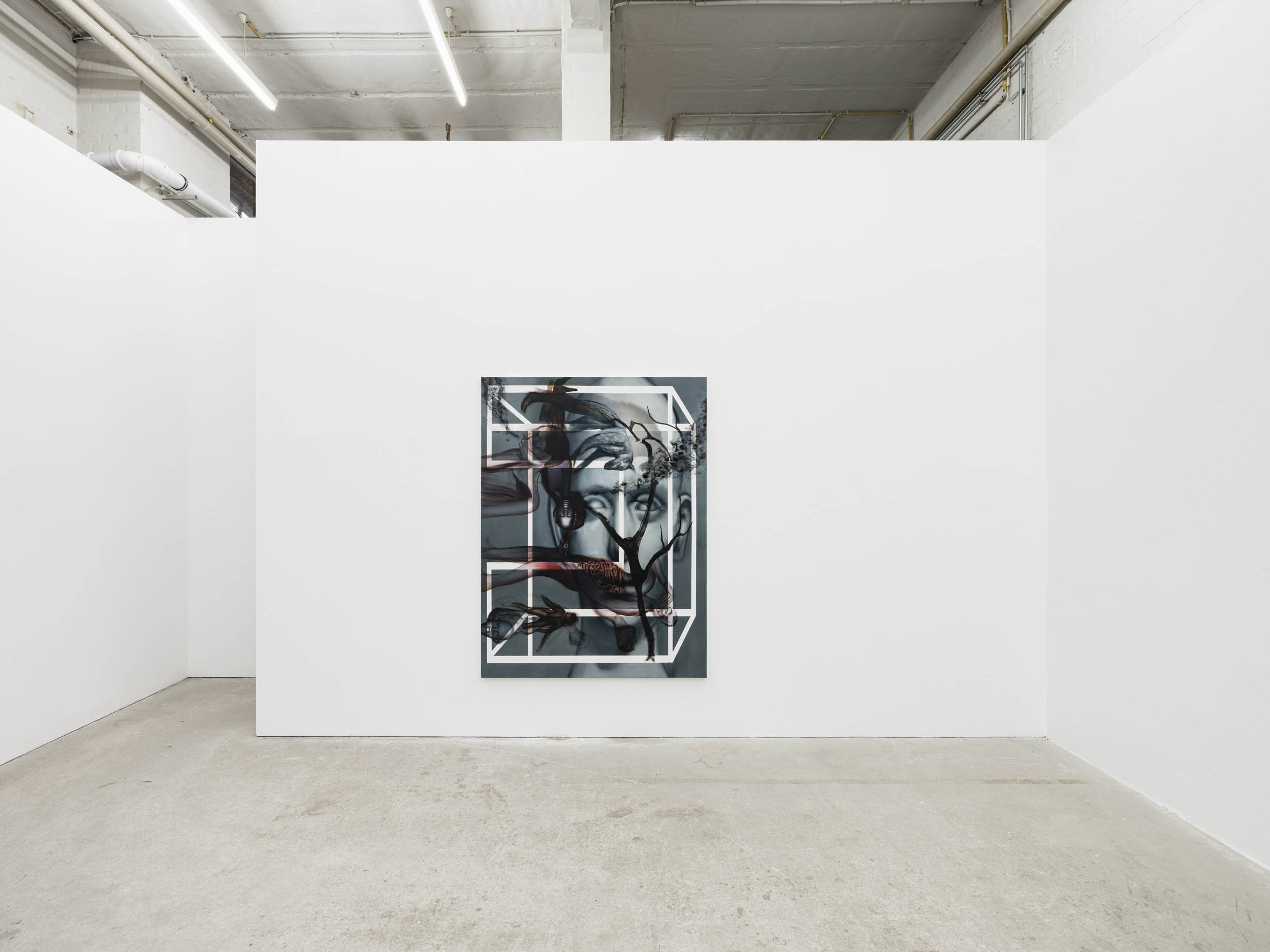
Installation view: Seth Pick, ‘No Long Term (the last paintings)’, April 25 — June 20, 2026, Galerie Tobias Naehring, Leipzig
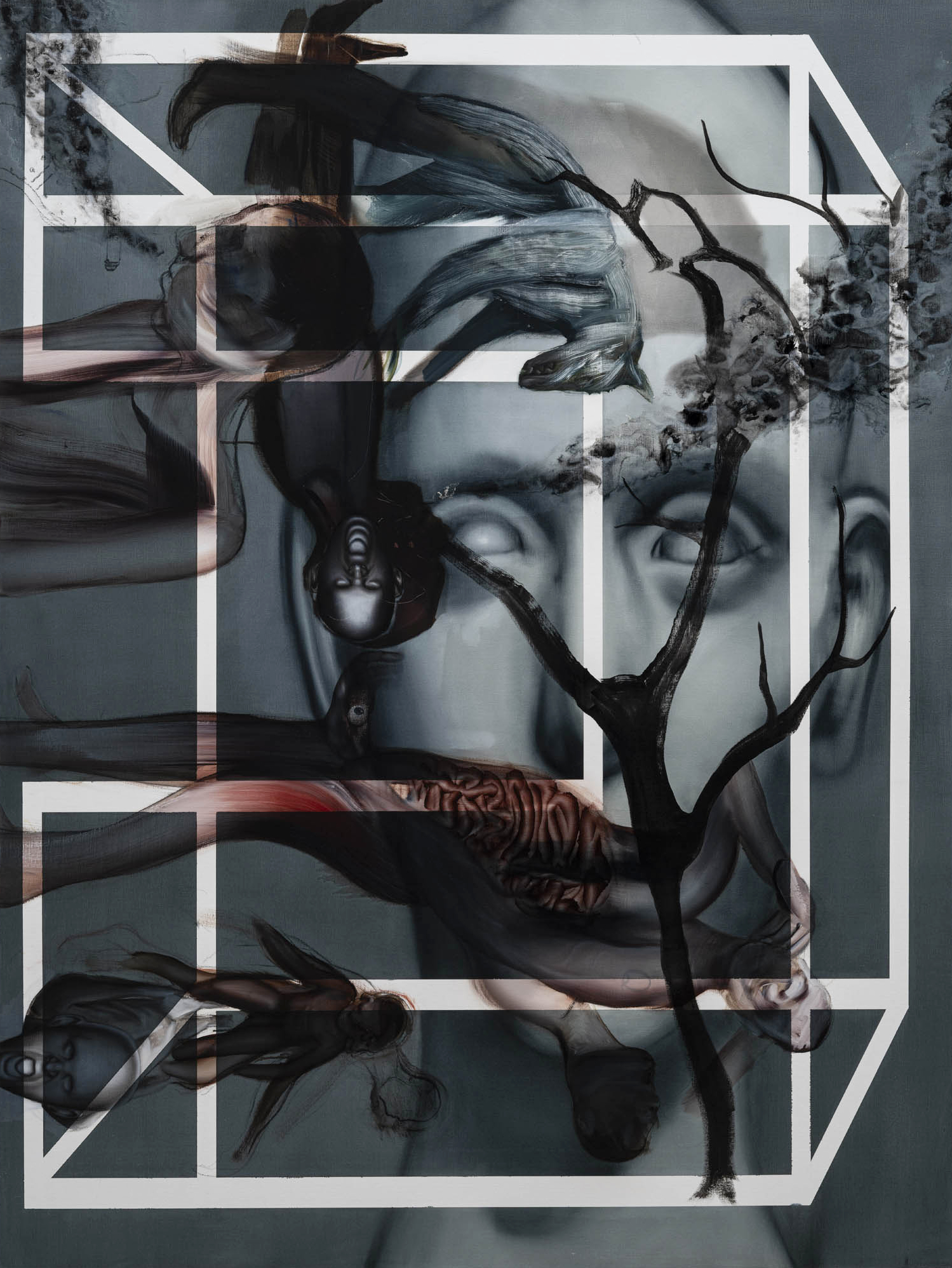
Seth Pick, 'No Exit from Form (negation of negation)', 2026, Oil on linen, 200 × 150 cm
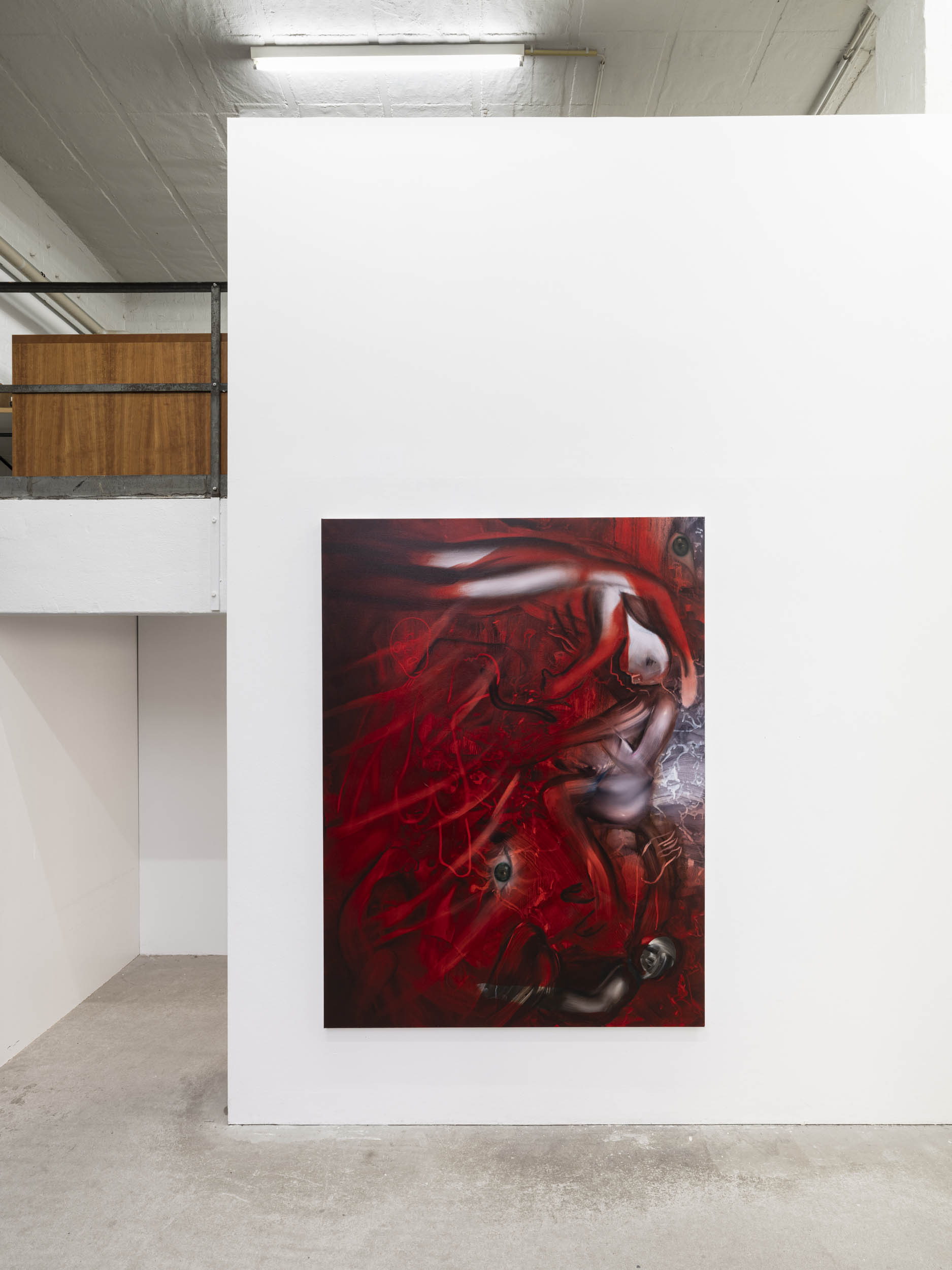
Installation view: Seth Pick, ‘No Long Term (the last paintings)’, April 25 — June 20, 2026, Galerie Tobias Naehring, Leipzig
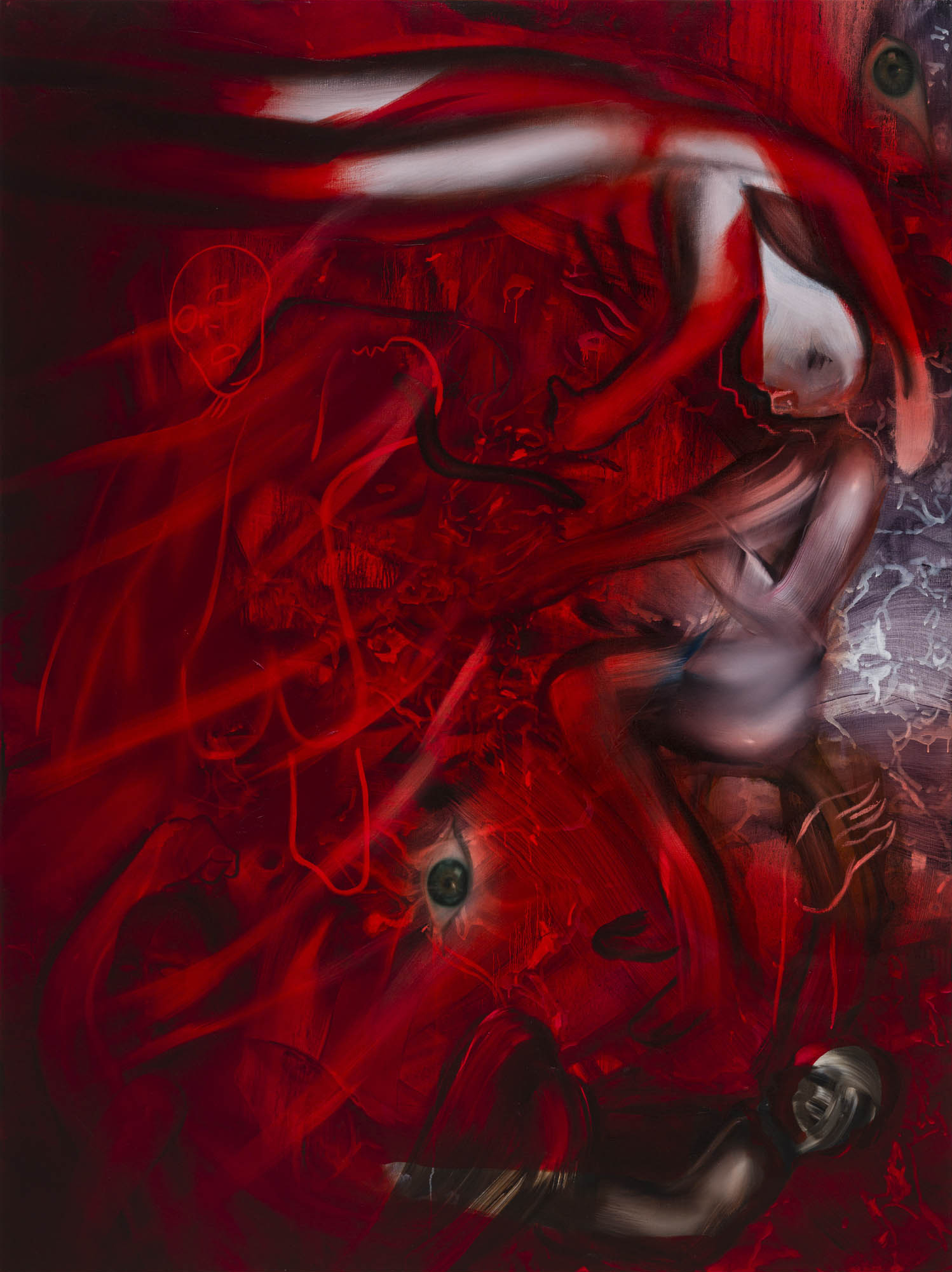
Seth Pick, 'Hellmouth (transformation of freedom into surplus alienation)', 2026, Oil on linen, 200 × 150 cm
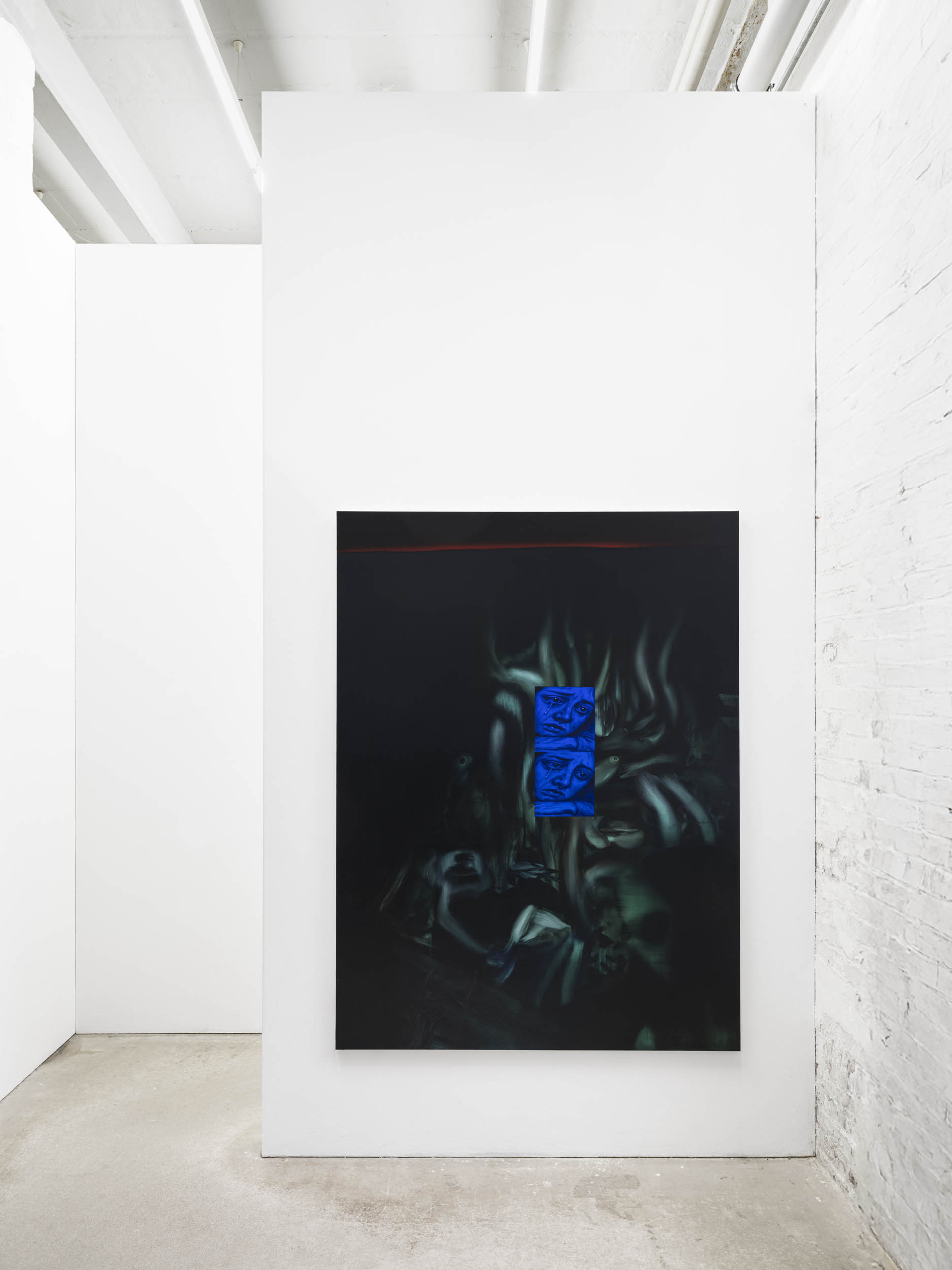
Installation view: Seth Pick, ‘No Long Term (the last paintings)’, April 25 — June 20, 2026, Galerie Tobias Naehring, Leipzig
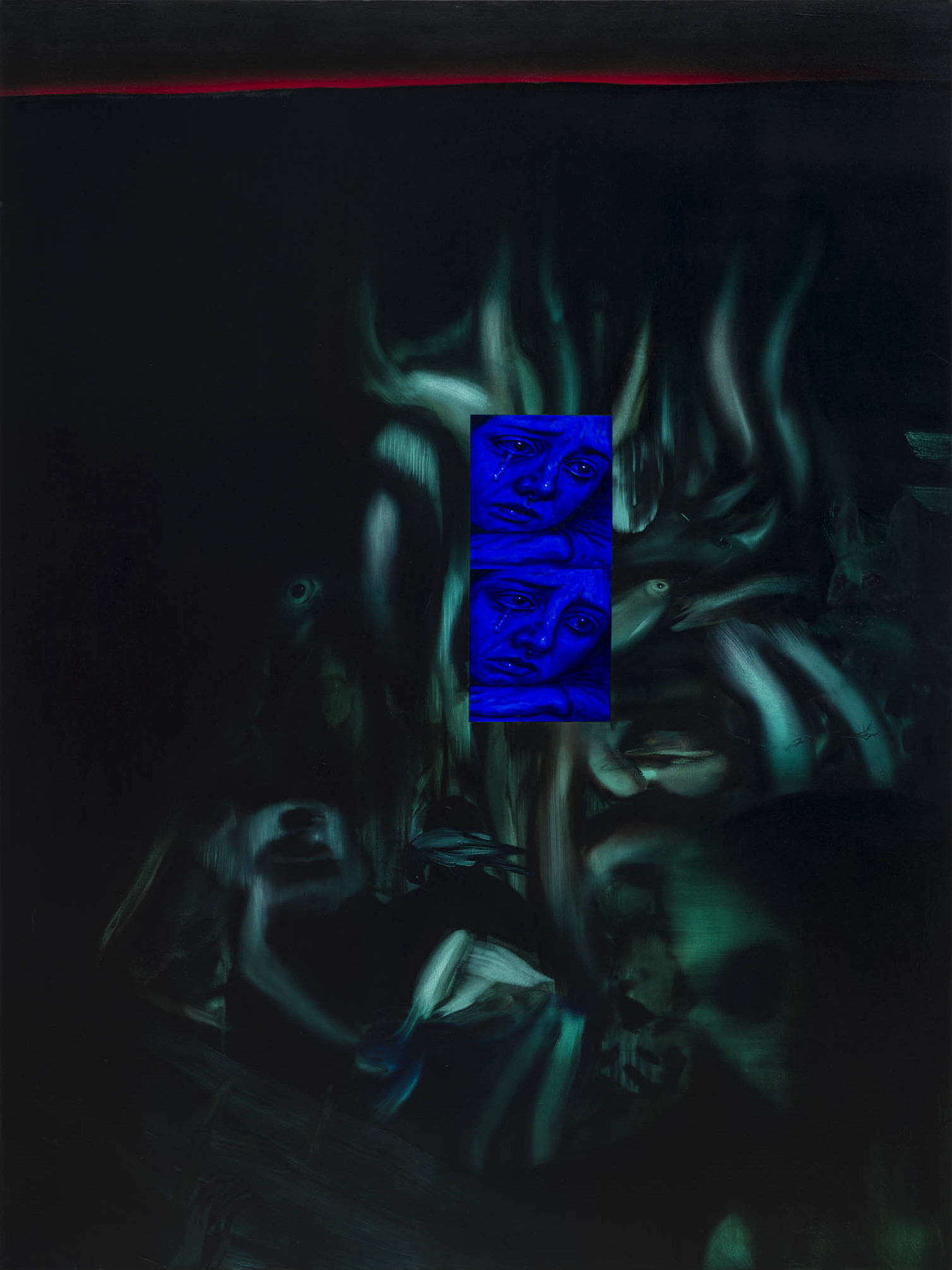
Seth Pick, 'Flaisch macht Flaisch', 2026, Oil on linen, 200 × 150 cm
NO LONG TERM (the last paintings)
A conversation
Pick Seth: Looking across NO LONG TERM, the first thing that strikes me is accumulation. Figures, fragments, bodies—everything seems to gather, compress, pile into the same space. It made me think immediately of Guston’s piles.
Seth Pick: Yes, I’ve thought about that too. Though I don’t think of them as piles exactly—more as pressure. Things accumulate because they don’t resolve. They don’t disappear once they’ve been painted. They stay and force the painting to reorganize around them. Guston’s piles are important because they’re both absurd and serious at the same time. A pile of shoes can feel almost cartoonish until you realise what it might imply. That ambiguity is key. In my paintings, the images don’t cancel each other out. They coexist, even if they contradict each other.
PS: There’s a strong sense that these paintings resist narrative. They hint at situations—violence, intimacy, collapse—but they don’t quite settle into a story.
SP: I’m quite nervous of narrative. I’m more interested in presence. Narrative fixes things too quickly. Once something becomes a story, it starts to behave predictably. Presence—an image simply being there—remains open. It holds its instability.
PS: And yet the paintings are full of figures.
SP: Yes, but I don’t want them to perform. They’re not there to act out a story. They’re more like carriers of tension.
PS: There’s also a refusal of expressive gesture in the heroic sense. The brushwork is active, but it doesn’t feel like it’s trying to assert itself as personality.
SP: That’s important to me. I don’t want the gesture to become a performance. There’s a tendency in painting for gesture to announce the artist too loudly. I’m more interested in keeping the surface in motion without turning that motion into spectacle. Paint in motion should reflect thought in motion, not ego. There’s also this idea of the figural—Deleuze writes about it in relation to Bacon, I think borrowing it from Lyotard. It’s essentially about presence: figuration without narration. That’s quite central for me. It’s one of the reasons I hold Katz in such high regard. His paintings exist entirely in the present tense. That’s also where indexicality comes in. I’m interested in how a mark can be both itself and something else at the same time—how it can remain a physical trace, but also carry an image.
PS: That sense of motion—has that always been there?
SP: It’s always been important, but the way I arrived at it changed. Early on, I worked with very liquid paint—almost like a watercolourist using oil. Everything stayed in flux, as if the painting was happening in real time. That’s still a crucial element. I think a lot about painters like Katz or Bacon in that regard. Not stylistically, but in terms of how the paint carries a sense of immediacy. It was exciting, but eventually the technique became the whole thing. Around 2015, that collapsed. I developed an RSI injury, so physically I had to change how I worked. But at the same time I realised the system I’d built was hollow. It could produce something that looked like a painting, but there was no depth left in it.
PS: So the limitation forced a break.
SP: Yes, but it left a void. I had to rebuild from scratch. I moved from painting horizontally to vertically. I fell back on references—completly derivative—but as a way of continuing. It was a difficult period. I was still showing work, but internally I felt quite lost. There’s this idea in painting—“kill your father”—and I had to do that quite late. But what’s interesting is that nothing really disappears. Things return. They’re stubborn.
PS: That return seems central to this exhibition.
SP: Absolutely. In works like Murmur, or (restudy in blue)…, or Heimweh…, earlier approaches or motifs come back—like working horizontally again, or reintroducing certain structures. But now they sit alongside newer ones. They collide.
PS: (restudy in blue) 2011–2026 makes that explicit.
SP: That painting came out of failure. I was trying to find the ninth painting for the show and nothing was working. We had been editing my website, looking at older work, and I was thinking about Baselitz’s remix paintings. Repainting something from 2011 became a way through. Structurally it’s very similar, but the act of repainting it now changes everything. By spanning 2011 to 2026, it becomes a kind of temporal container. It holds that distance between those moments..
PS: So it’s less repetition than a loop.
SP: Exactly. It made me realise that many of the concerns I have now were already there. The work doesn’t move forward cleanly—it circles back.
PS: I’m curious about Door and Flaisch macht flaisch. They feel particularly unstable.
SP: They are. Both of them kept shifting. At various stages they had smaller images embedded within them—then they didn’t—then they did again. Those insertions introduced contradiction. Almost like adding another voice into the painting.
PS: As if the painting could decide what kind of painting it is.
SP: Yes. The addition or removal of those elements changes the entire logic. It’s almost like choosing what kind of painter you are. I’ve been thinking about Pessoa and his heteronyms, the idea that you can occupy different positions, different sensibilities. That you don’t have to be consistent. Those small images within the paintings were almost like heteronyms. They introduced another voice, another tone. At some point, removing them felt more sincere. More exposed. But also more risky.
PS: And in the end?
SP: In the end they stayed (laughs).
PS: The rectangular interruption in Door still reads almost like an absence.
SP: Yes. Even when something is removed, it leaves a trace. That absence becomes part of the structure, and thus the title.
PS: There’s a recurring sense across the exhibition that systems are breaking down. Structures are there, but they don’t function properly.
SP: I think a lot about how systems become illogical. Kafka is an obvious reference point. You have something that appears rational, but the longer you engage with it, the more inhumane it becomes. That’s something I want in the paintings—not as a narrative, but as a condition. That’s present in Gas Chamber. The grid suggests order, containment—but what’s inside it resists that. Bodies, fragments, suspended states. It feels like everything is waiting, but never resolves.
PS: The title completely shifts how you read the image.
SP: Absolutely. Titles are tricky. I don’t want them to explain the painting, but they’re somewhat unavoidable. At the same time, I do want them to introduce another layer—to shift the reading without fixing it. There’s a beautiful painting by Luc Tuymans called Gas Chamber. I remember seeing it and then reading the title—the disjunction between the image and the title was very powerful. It opened the work up rather than closing it down. I think with mine it might be doing the opposite. It fixes the image too much, pins it down in a way I’m not entirely comfortable with. I’m not sure it will stay.
PS: The exhibition began with the idea of hell?
SP: Yes, but not in a literal sense. More as a condition—where things accumulate without resolution, where structures fail. A kind of pressure without release. Where bodies and environments merge. Medieval depictions of hell are interesting because the body becomes part of the landscape. It’s absorbed. Hellmouth (transformation of freedom into surplus alienation) probably addresses that most directly.
PS: That title suggests a kind of political or social dimension.
SP: It’s there, but indirectly. I’m interested in how freedom can turn into something else—how systems that promise openness can produce alienation instead. But I don’t want to illustrate that. It should remain embedded in the structure of the painting rather than stated..
PS: That tension between structure and collapse carries into Heimweh. It’s like a house split open.
SP: Yes. That came from thinking about Gregor Schneider and Mike Kelley. Schneider especially his Artangel installation had a big impact on me. The idea that domestic space can become psychologically oppressive. In Heimweh, the house is opened up so everything is visible at once. Different rooms, different moments, all coexisting.
PS: It also recalls bombed buildings where interiors are exposed.
SP: Yes, that association came later, but it felt unavoidable. There’s something deeply unsettling about seeing private spaces turned outward—beds, rooms, fragments of life suddenly exposed. That tension between intimacy and exposure runs through a lot of the work.
PS: And materially?
SP: It was painted horizontally. I built a system with a ladder and supports so the paint could remain very fluid. When it works, you catch it mid-formation. That’s important—that the surface still feels like it’s becoming.
PS: The title suggests memory, but also something physical.
SP: I like the ambiguity. A bruise is both a mark and a memory. It’s something that changes over time, fades, but doesn’t entirely disappear. That feels close to how images function in painting.
PS: There’s also a tonal shift in works like Joy and dancing. They feel almost celebratory, but slightly off.
SP: I’ve been thinking a lot about Twin Peaks, and how Lynch balances sincerity with absurdity. He allows something genuinely emotional to sit next to something strange or even ridiculous. There’s a repeated shot of a waterfall that I keep coming back to. It’s very simple, but it holds a strange intensity.
PS: You painted a waterfall once.
SP: I did. It’s one of those images that feels almost impossible to approach without becoming cliché. But that’s what makes it interesting. Lynch somehow makes those moments feel sincere again. If everything becomes too serious, the painting closes down. If it becomes too absurd, it loses weight. The space in between is where things remain alive.
PS: You studied with Michael Krebber. Does that idea of instability connect back to him?
SP: Yes. One of the foundations of his work—that painting exists in a state of uncertainty—is very important to me. That’s something I want to maintain. The painting shouldn’t feel resolved, or certain of itself.. That uncertainty is also what allows failure to function. Most ideas collapse as you work on them. But that collapse forces the painting to move.
PS: The exhibition title NO LONG TERM suggests a kind of temporal instability.
SP: I like that it can mean different things. It could mean there’s no long-term plan, which is true in the studio. But it also reflects a broader condition, a sense that long-term structures are collapsing. Painting sits oddly within that because it’s slow. It resists that condition, but it’s also shaped by it.
PS: Looking across the exhibition as a whole, there’s a strong sense of suspension. Nothing fully settles.
SP: I think that’s accurate. The paintings aren’t trying to resolve themselves. They’re trying to hold things in place—contradictions, tensions, different states.
PS: Which brings us back to Guston.
SP: Everyone does eventually.